الخطيب تشارك مؤتمر المندوبين المفوضين للاتحاد الدولي للاتصالات بالدوحة
راصد الإخباري -
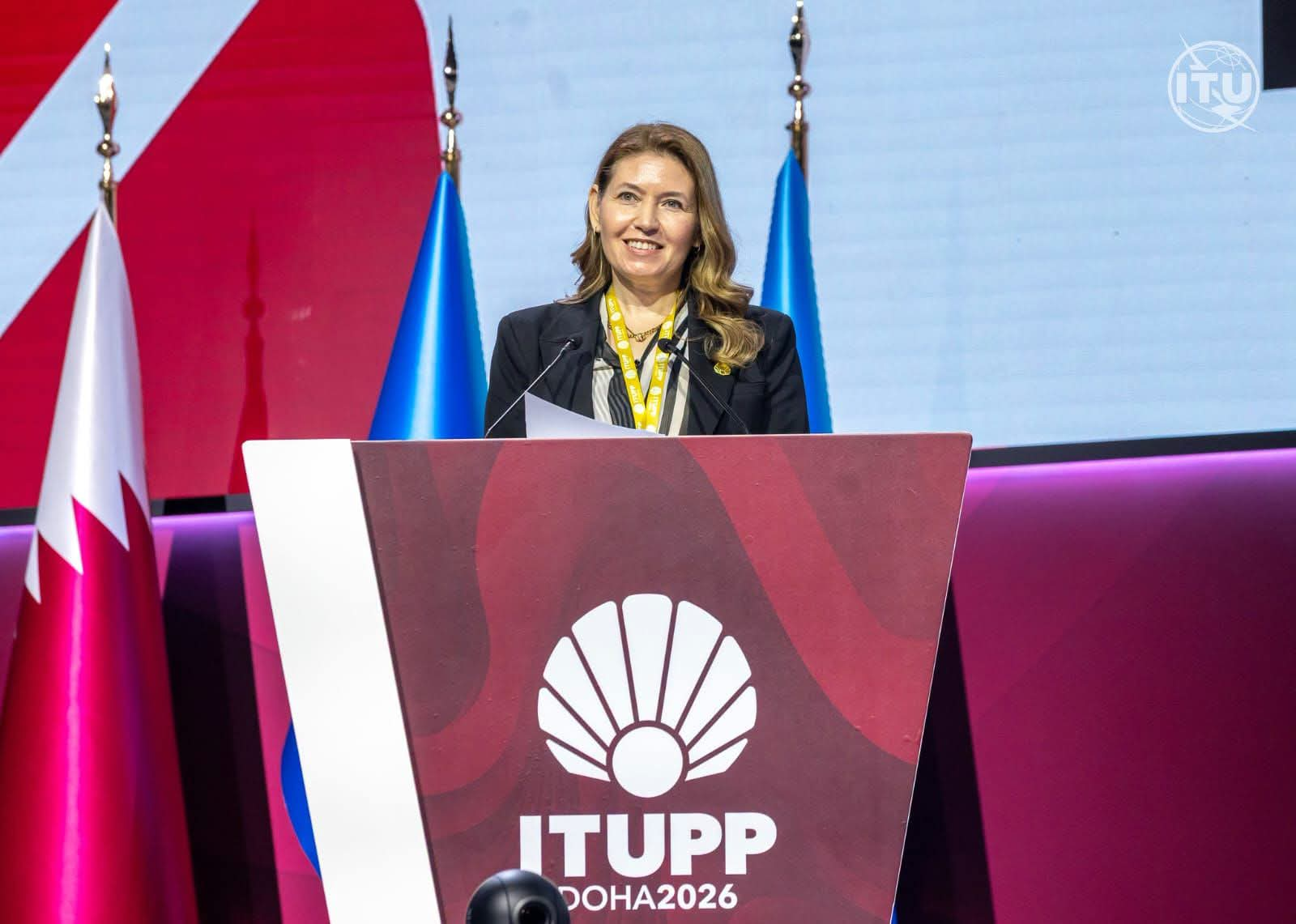
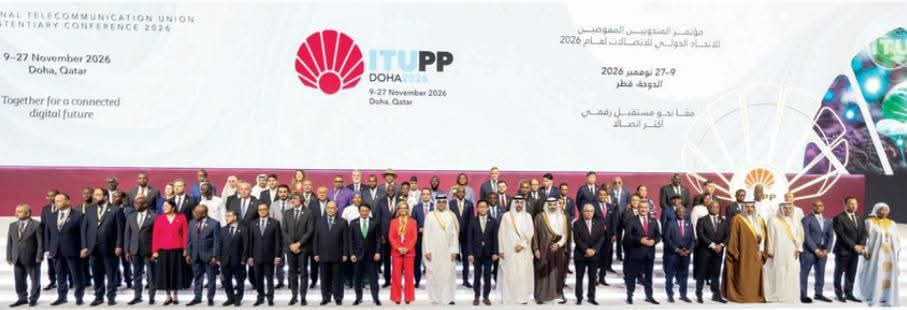
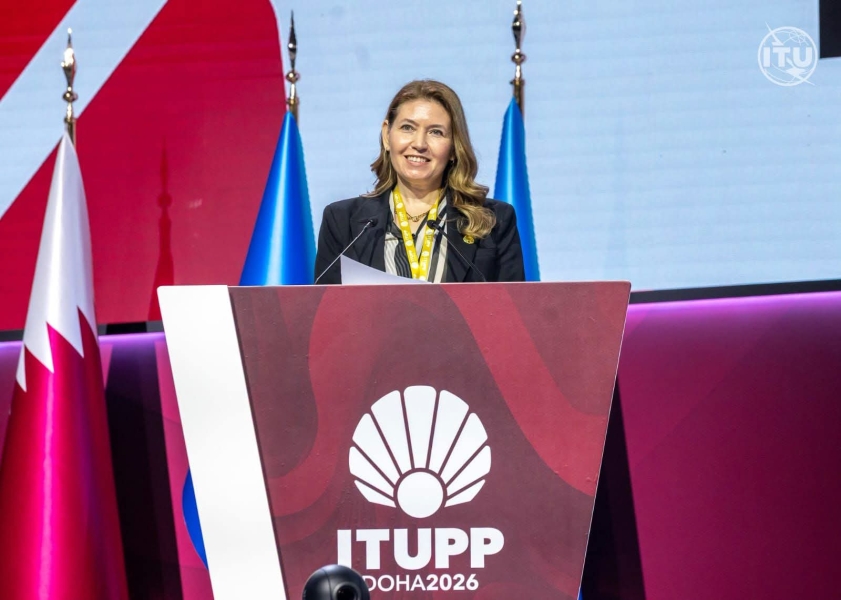
عمان – 13 تشرين الثاني 2026 – ألقت رئيس مجلس مفوضي هيئة تنظيم قطاع الاتصالات الأردنية أ. لارا الخطيب بيان السياسة العامة للمملكة الأردنية الهاشمية خلال أعمال مؤتمر المندوبين المفوضين للاتحاد الدولي للاتصالات (PP-26) المنعقد في العاصمة القطرية الدوحة، بمشاركة وزراء ومسؤولين وممثلين عن الدول الأعضاء في الاتحاد، حيث استعرض البيان رؤية الأردن للتحول الرقمي وتطوير قطاع الاتصالات.
وأكدت الخطيب أن الأردن بقيادة حضرة صاحب الجلالة الهاشمية الملك عبدالله الثاني ابن الحسين، وبدعم ومتابعة سمو الأمير الحسين بن عبدالله الثاني ولي العهد، يواصل تحقيق خطوات متقدمة نحو تعزيز الشمول الرقمي وتوفير الاتصال الشامل، مستنداً إلى رؤية التحديث الاقتصادي والتوجهات الوطنية لتطوير البنية التحتية الرقمية.
واستعرضت أبرز الإنجازات التي حققتها المملكة في تطوير قطاع الاتصالات، بما في ذلك التوسع في شبكات الألياف الضوئية، وتسريع نشر خدمات الجيل الخامس (5G)، وإدخال خدمات الاتصالات عبر الأقمار الصناعية للمساهمة في سد فجوات التغطية، إلى جانب تحديث الأطر التنظيمية وتعزيز الشراكة بين القطاعين العام والخاص، بما يسهم في توفير خدمات اتصالات آمنة وعالية الجودة وبأسعار ميسورة.
كما سلطت الخطيب الضوء على إطلاق الاستراتيجية الأردنية للتحول الرقمي وخطتها التنفيذية للأعوام (2026–2028)، والتي تركز على ثلاثة محاور رئيسية تتمثل في تعزيز الشمول الرقمي وتنمية المهارات الرقمية للشباب والقوى العاملة، وتطوير الحكومة الرقمية وتكامل الخدمات الحكومية من خلال تطبيق سند، وتعزيز الاقتصاد الرقمي ودعم منظومة الشركات الناشئة والابتكار في مجالات الذكاء الاصطناعي والتكنولوجيا المالية ومراكز البيانات الخضراء والمحلية.
وفي سياق متصل، أكدت الخطيب أن التحولات المتسارعة في المشهد الرقمي وما يصاحبها من تحديات مرتبطة بالذكاء الاصطناعي والأمن السيبراني والاستثمارات اللازمة لتطوير البنية التحتية الرقمية المستدامة، تتطلب تعزيز التعاون الدولي وتضافر الجهود بين الدول، مشددة على أهمية الدور المحوري الذي يضطلع به الاتحاد الدولي للاتصالات في وضع المعايير التقنية العالمية والأطر الأخلاقية للذكاء الاصطناعي والاتصال الفضائي من الجيل القادم، ودعم الدول الأعضاء في تطوير بيئات تنظيمية مرنة وجاذبة للاستثمار، وتعزيز الشراكات متعددة الأطراف وحشد الموارد لدعم المواهب والكفاءات الرقمية في الدول النامية.
واختتمت الخطيب البيان بتأكيد التزام المملكة الأردنية الهاشمية بالخطة الاستراتيجية للاتحاد الدولي للاتصالات، وأهمية البناء على مخرجات المؤتمر لتعزيز مستقبل رقمي منفتح وموثوق ومستدام، يضمن عدم ترك أي فرد أو دولة خارج مسيرة التحول الرقمي.
Amman, 13 November 2026 – The Chairperson of the Board of Commissioners of the Jordan Telecommunications Regulatory Commission, Lara Al-Khatib, delivered the General Policy Statement of the Hashemite Kingdom of Jordan during the proceedings of the International Telecommunication Union Plenipotentiary Conference (PP-26) held in Doha, Qatar, with the participation of ministers, officials, and representatives of ITU member states. The statement reviewed Jordan’s vision for digital transformation and the development of the telecommunications sector.
Al-Khatib affirmed that Jordan, under the leadership of His Majesty King Abdullah II Ibn Al Hussein and with the support and follow-up of His Royal Highness Crown Prince Al Hussein bin Abdullah II, continues to achieve advanced steps toward enhancing digital inclusion and providing universal connectivity, based on the Economic Modernization Vision and national directions for developing digital infrastructure.
She reviewed the Kingdom’s key achievements in developing the telecommunications sector, including the expansion of fiber-optic networks, accelerating the deployment of 5G services, and introducing satellite communications services to help bridge coverage gaps, in addition to modernizing regulatory frameworks and strengthening public-private partnerships to contribute to providing secure, high-quality, and affordable telecommunications services.
Al-Khatib also highlighted the launch of Jordan’s Digital Transformation Strategy and its executive plan for 2026–2028, which focuses on three main pillars: enhancing digital inclusion and developing the digital skills of youth and the workforce; advancing digital government and integrating government services through the Sanad application; and strengthening the digital economy and supporting the startup ecosystem and innovation in artificial intelligence, financial technology, and green and local data centers.
In a related context, Al-Khatib affirmed that the rapid transformations in the digital landscape, along with the accompanying challenges related to artificial intelligence, cybersecurity, and the investments needed to develop sustainable digital infrastructure, require enhanced international cooperation and concerted efforts among states. She stressed the pivotal role of the International Telecommunication Union in setting global technical standards and ethical frameworks for artificial intelligence and next-generation space connectivity, supporting member states in developing flexible and investment-attractive regulatory environments, and strengthening multilateral partnerships and mobilizing resources to support digital talent and competencies in developing countries.
Al-Khatib concluded the statement by affirming the Hashemite Kingdom of Jordan’s commitment to the ITU Strategic Plan and the importance of building on the conference’s outcomes to promote an open, trusted, and sustainable digital future that ensures no individual or country is left behind in the digital transformation process.