الوزير السابق الخطيب يحاضر بالشؤون الدولية
راصد الإخباري -
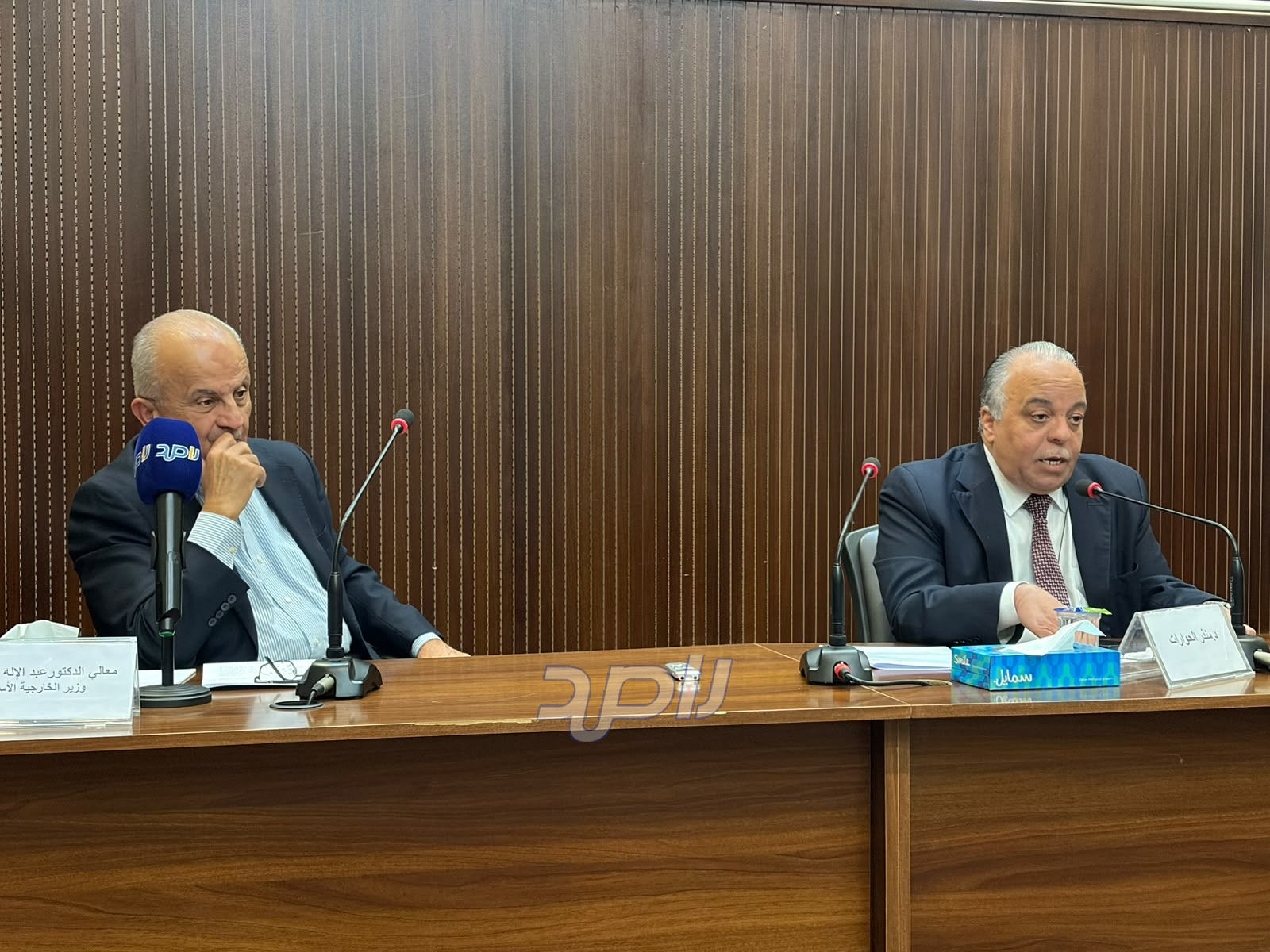
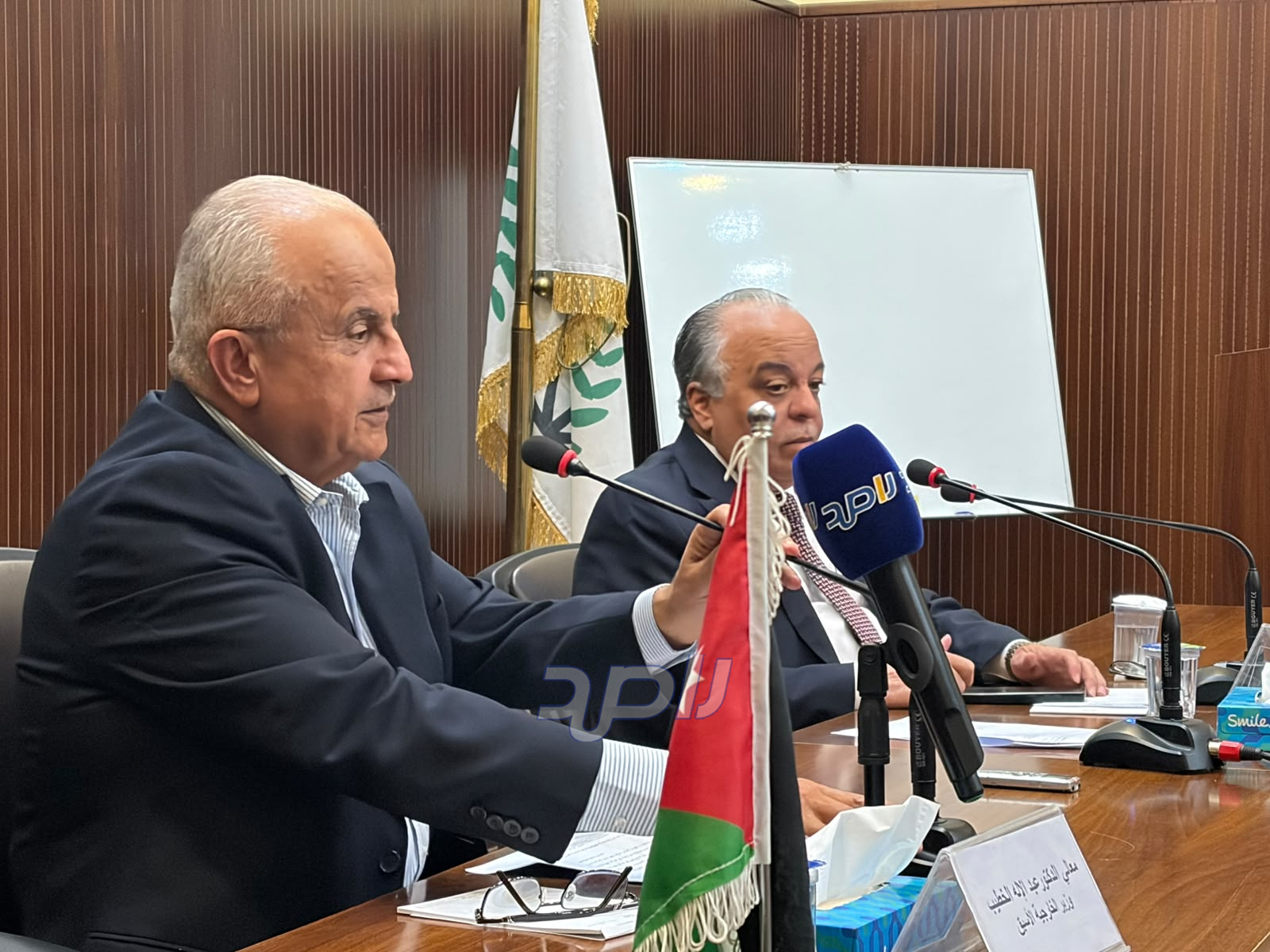
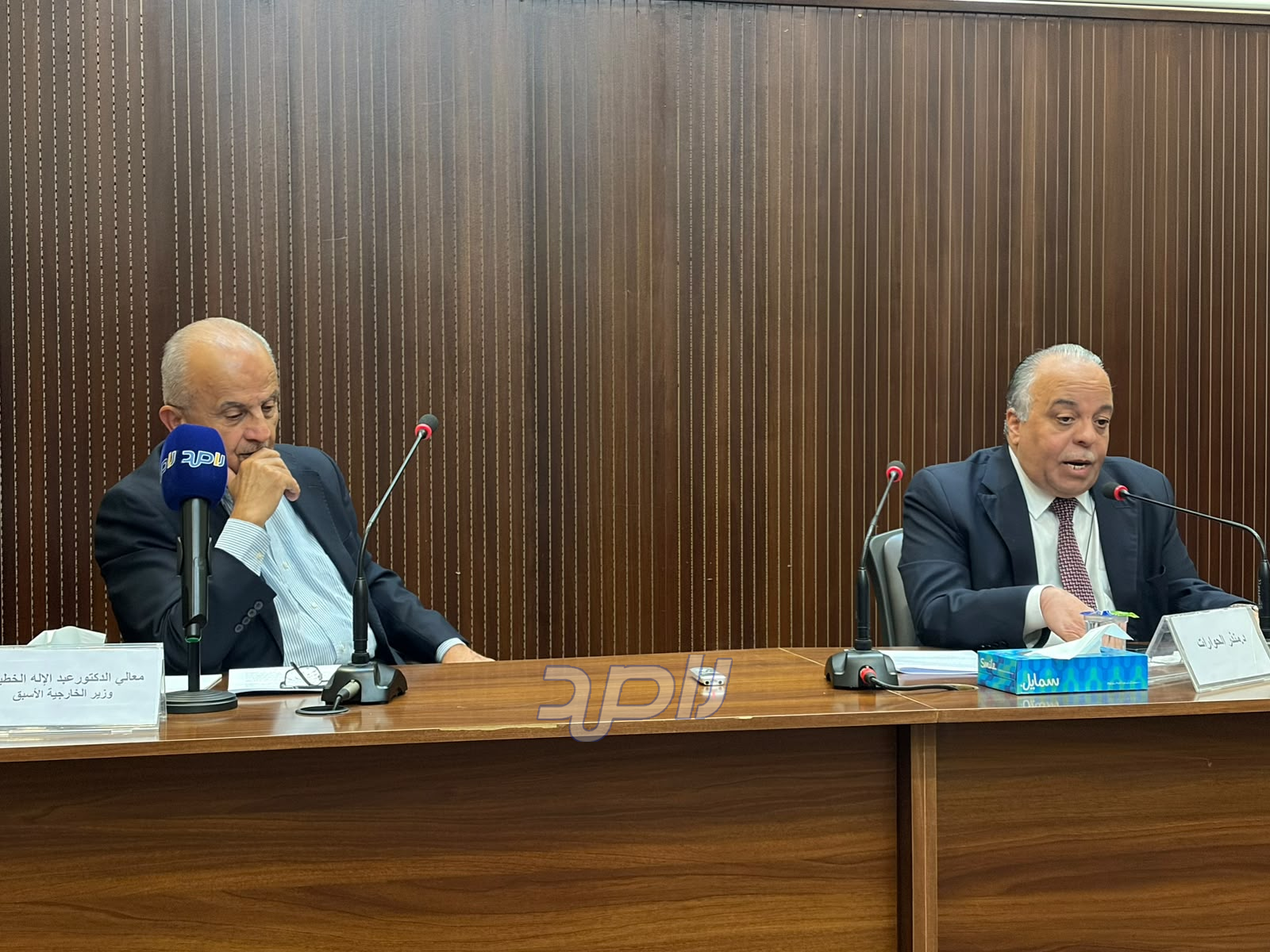
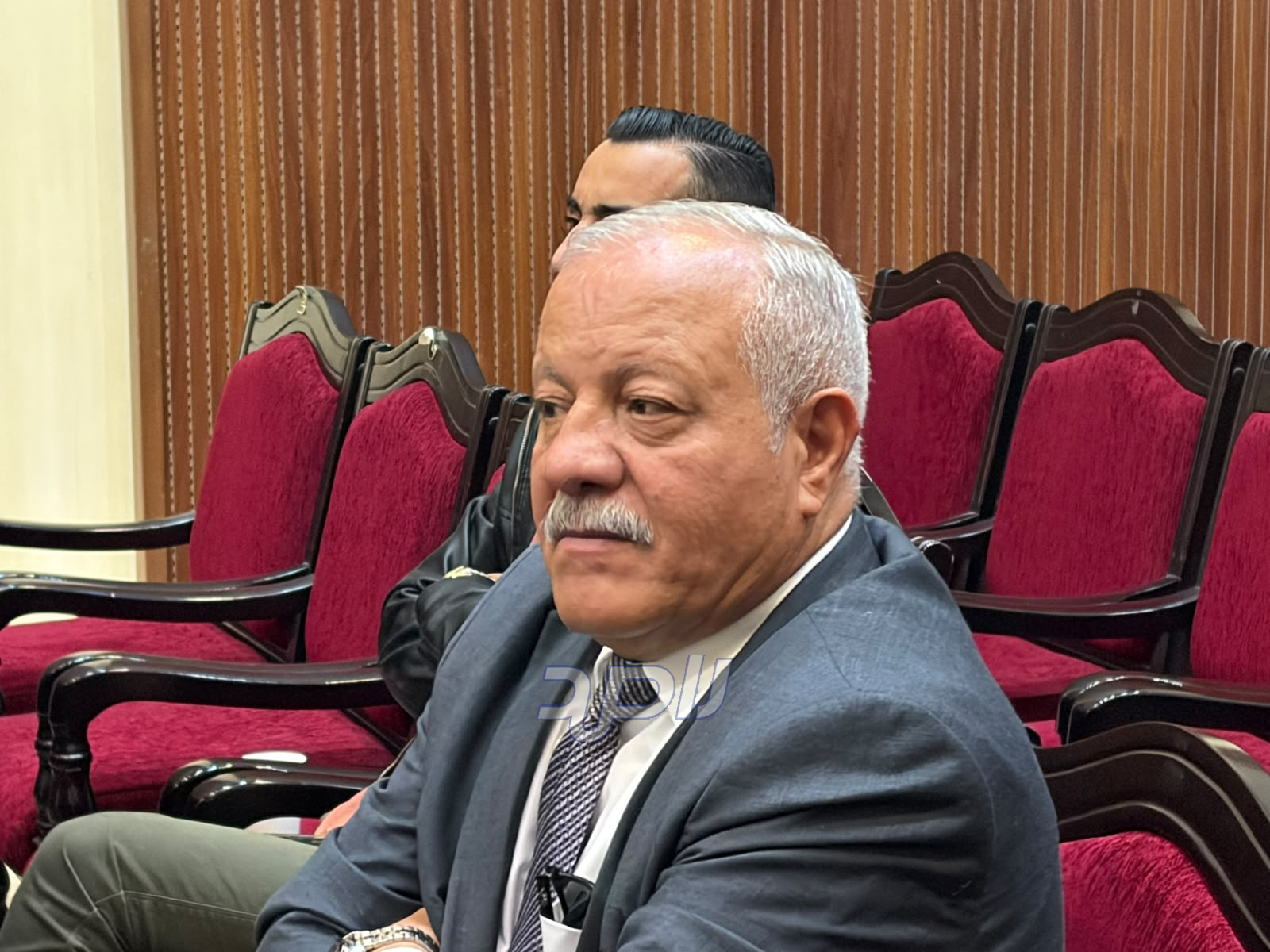
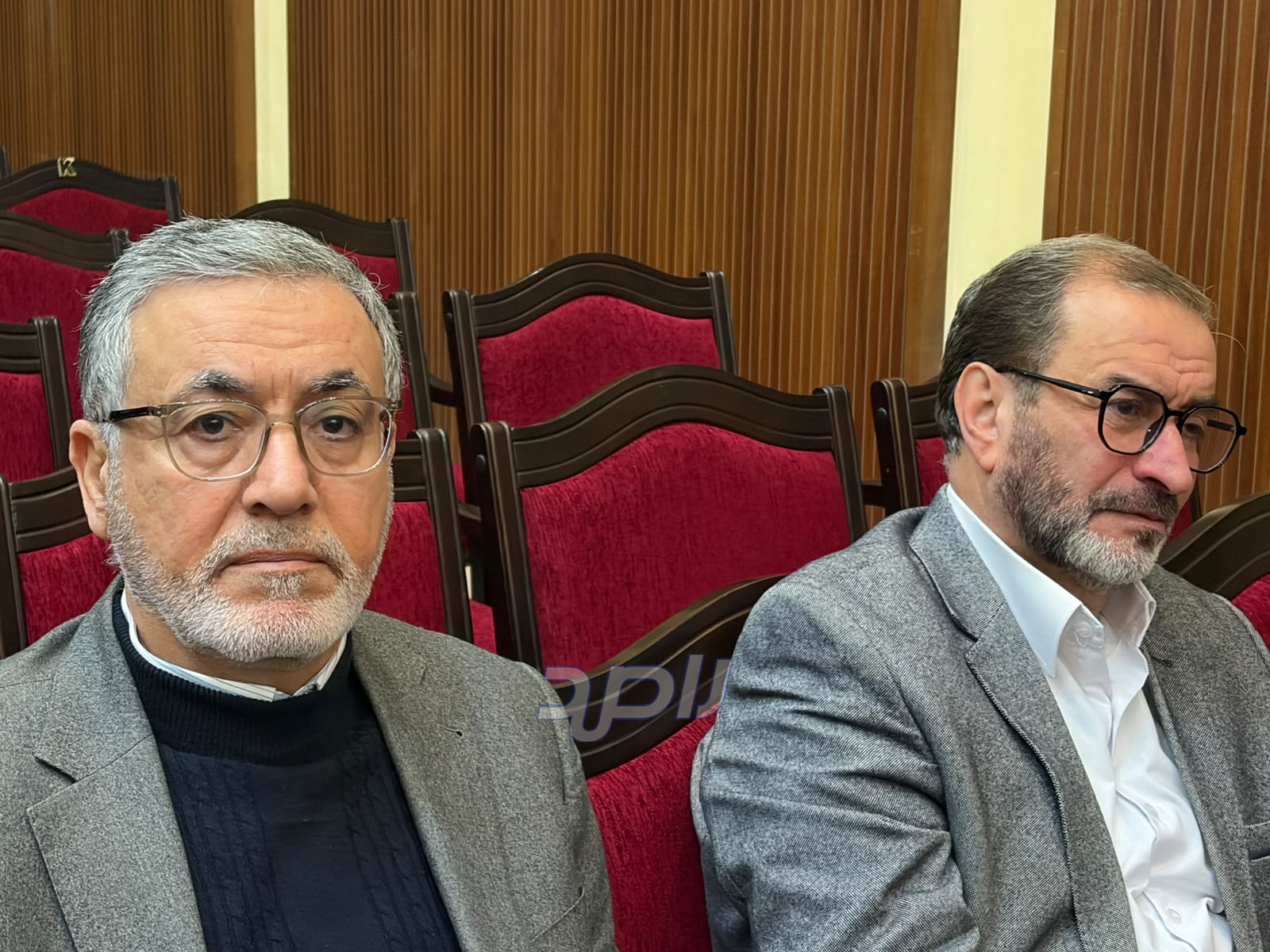
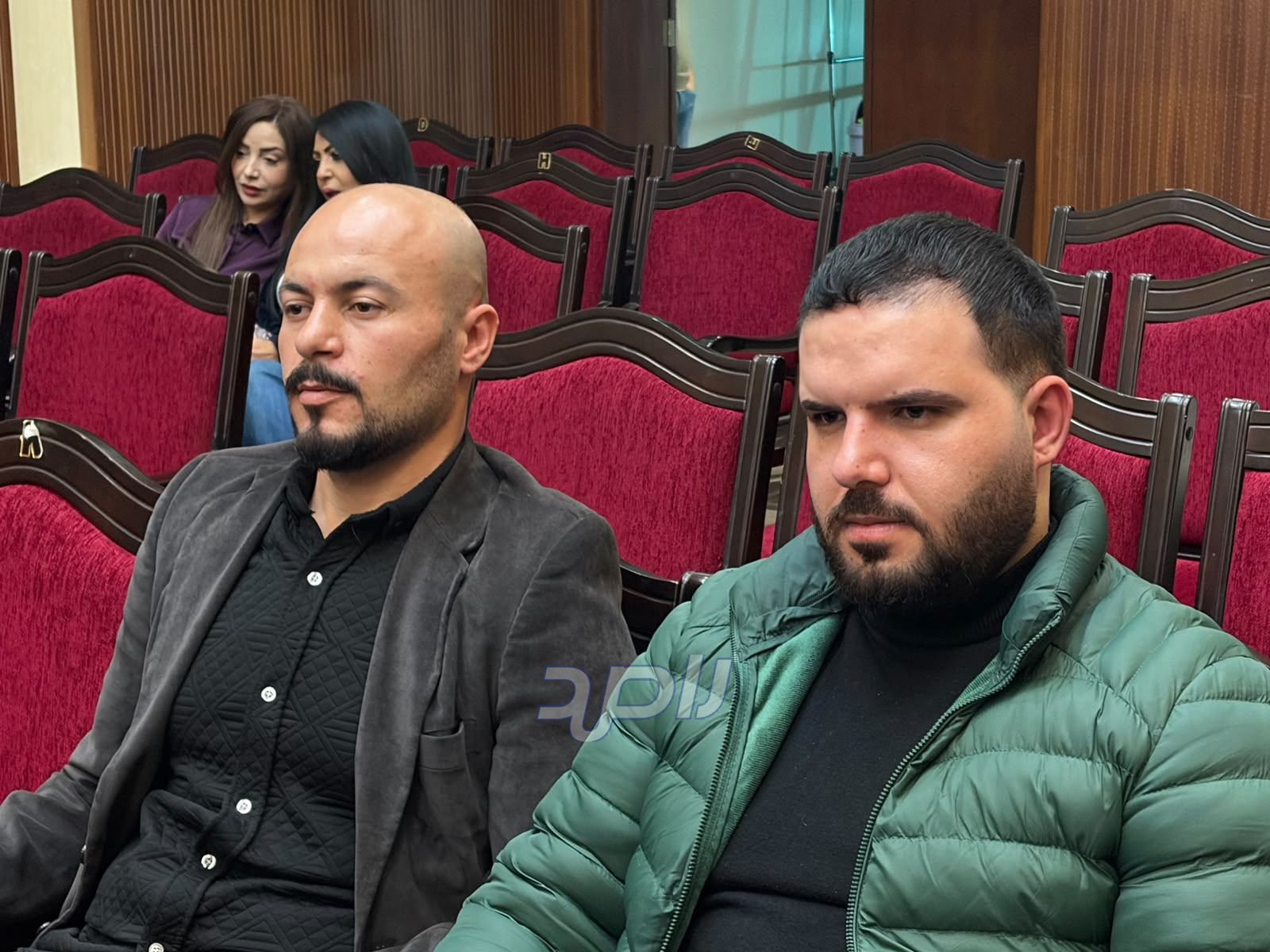
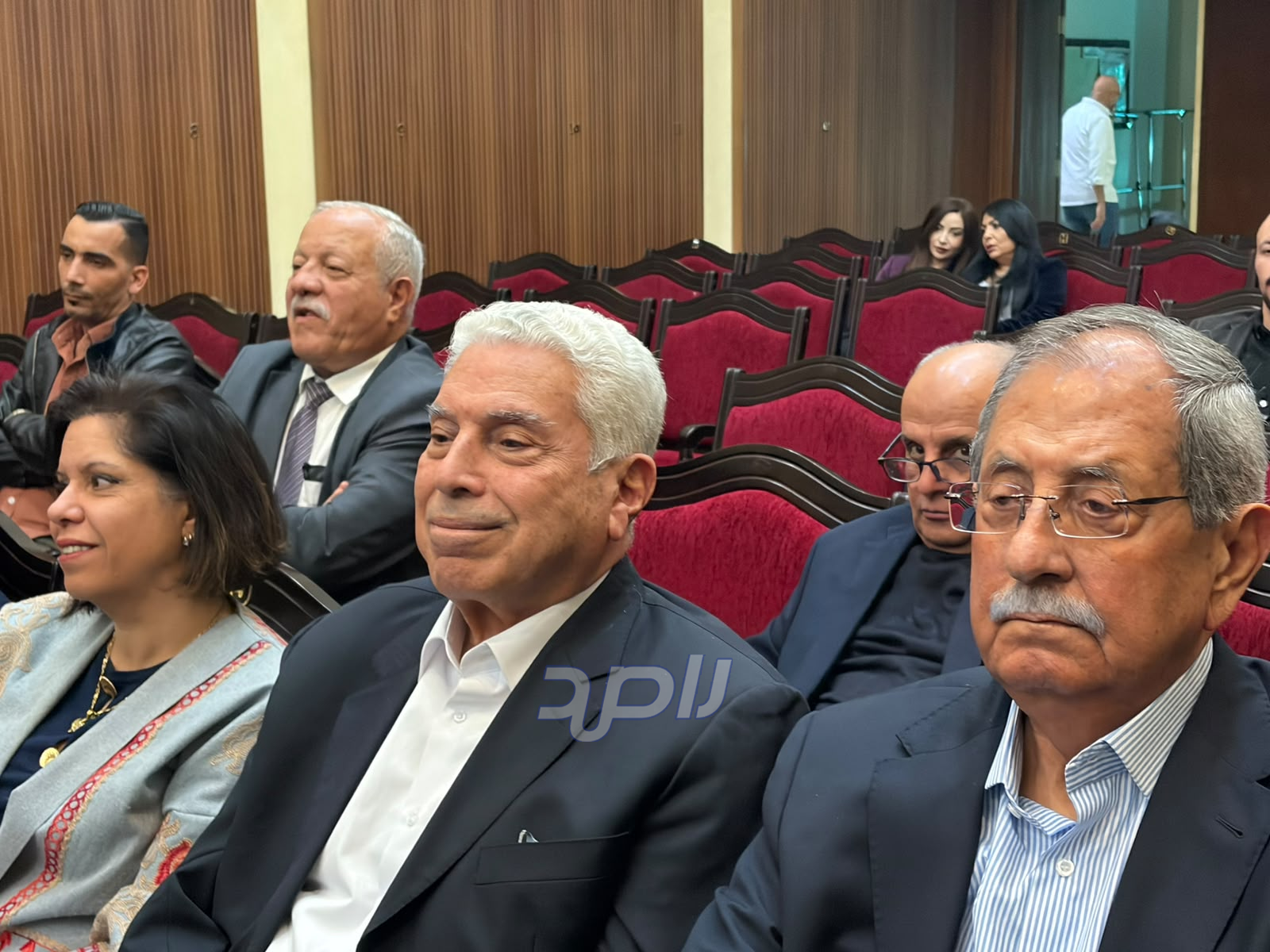
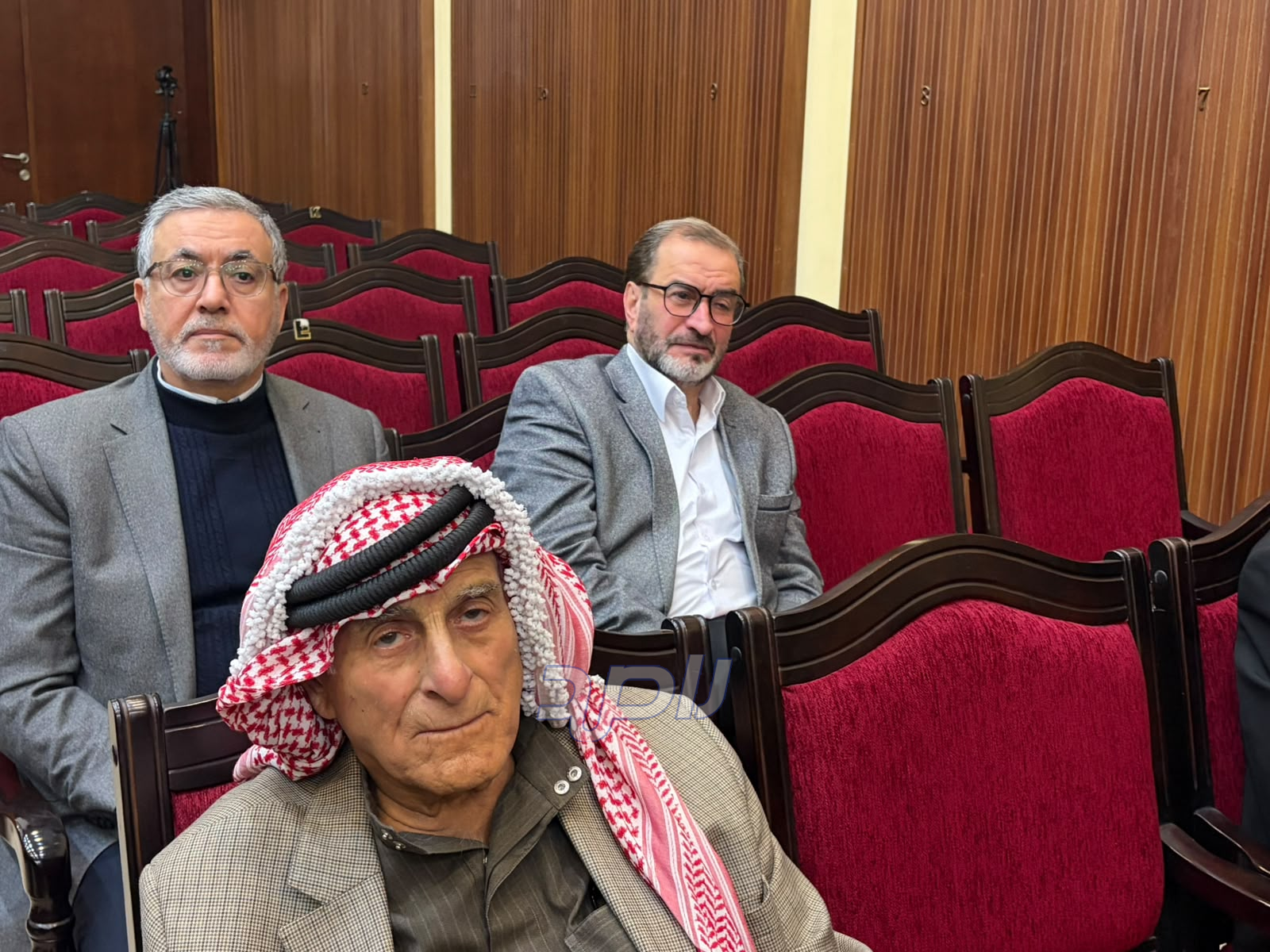
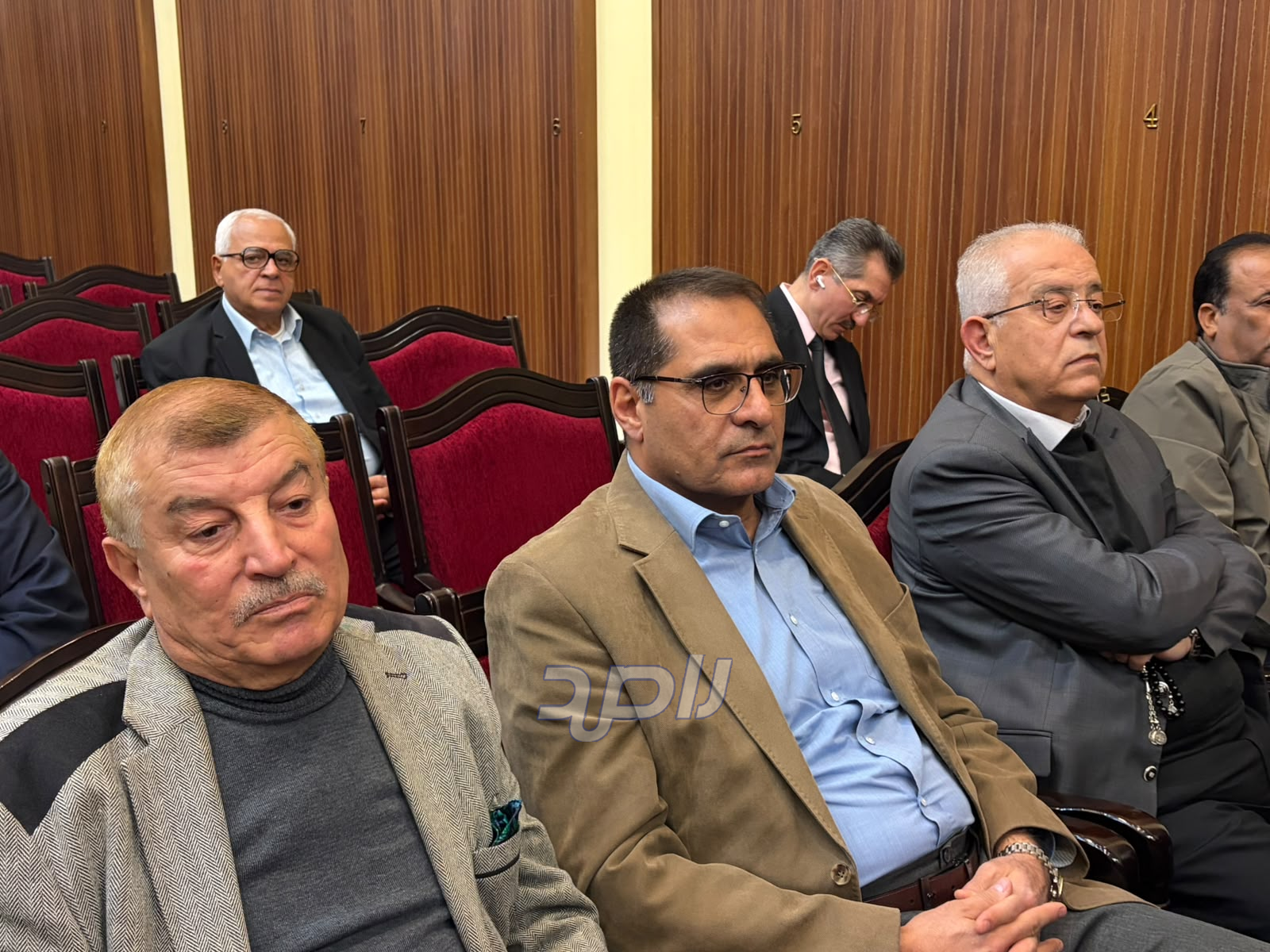
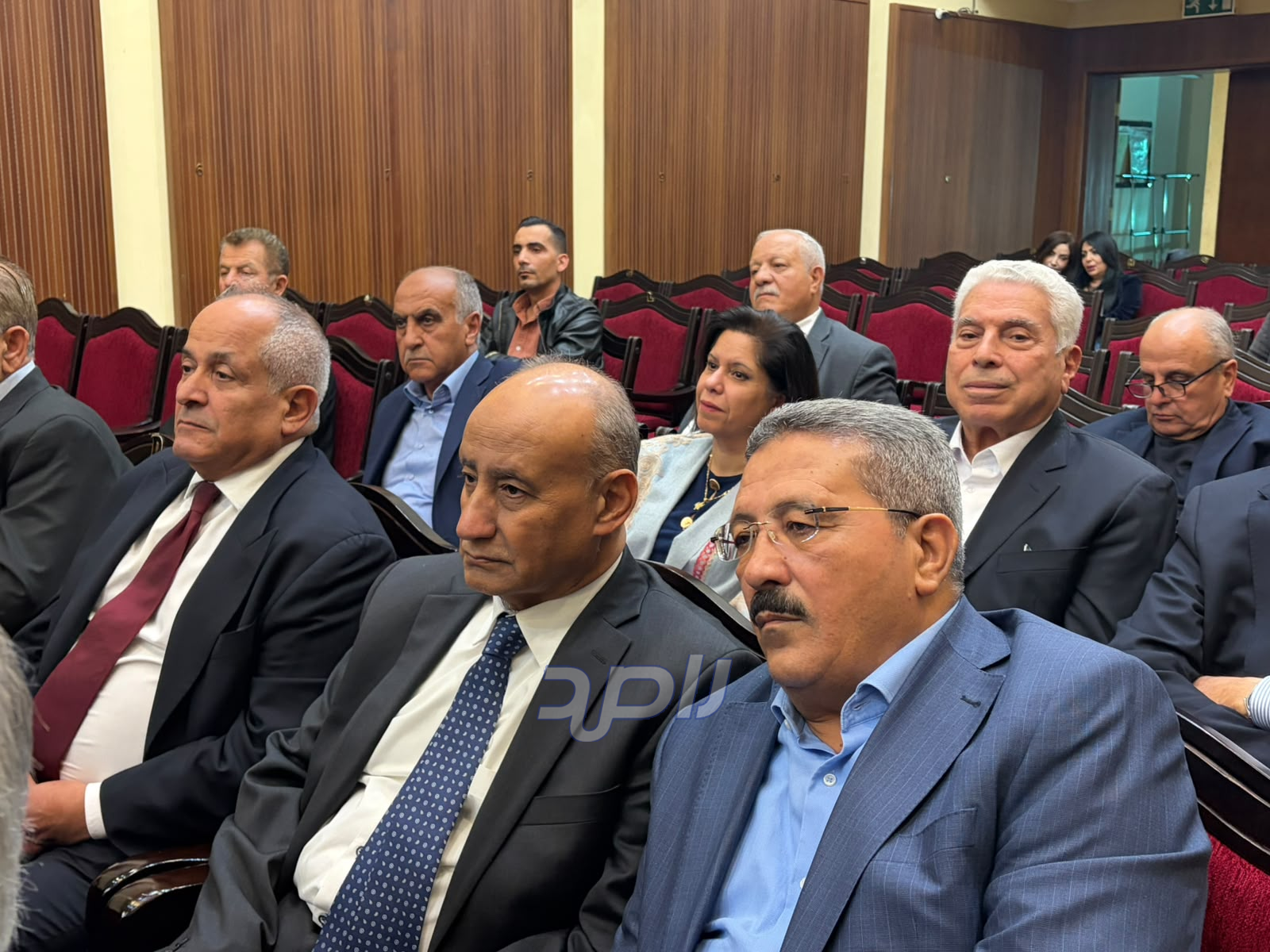
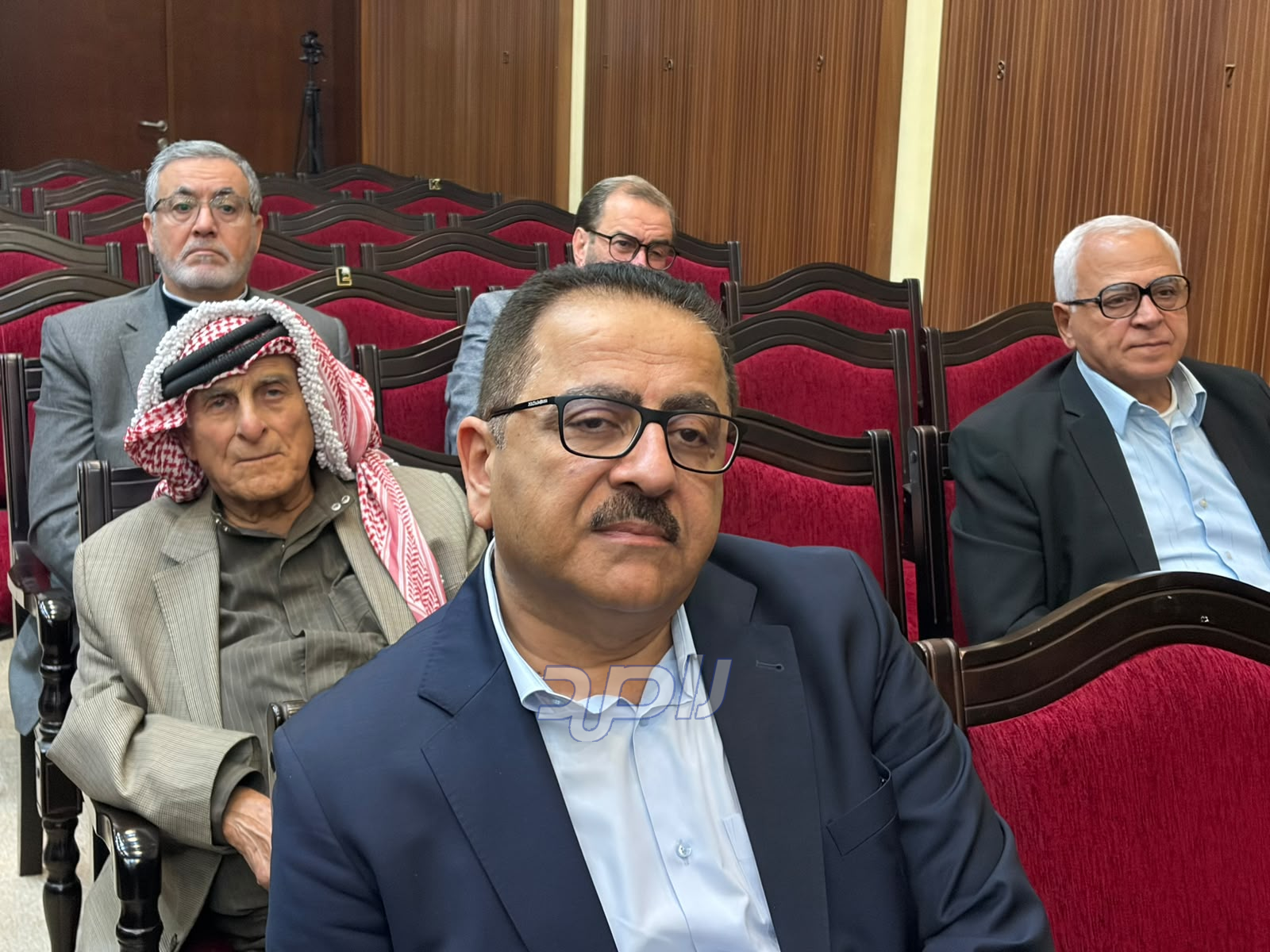
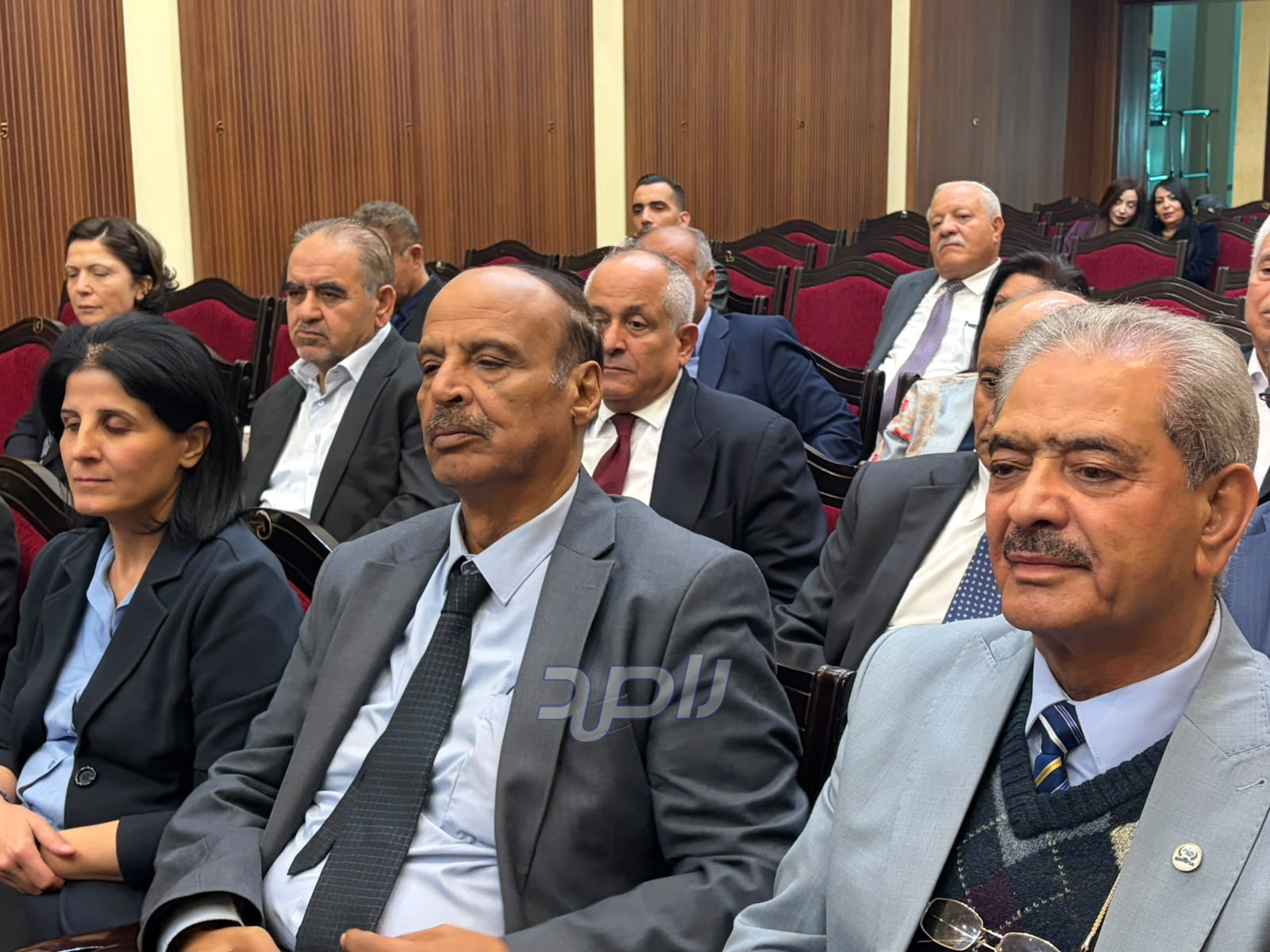
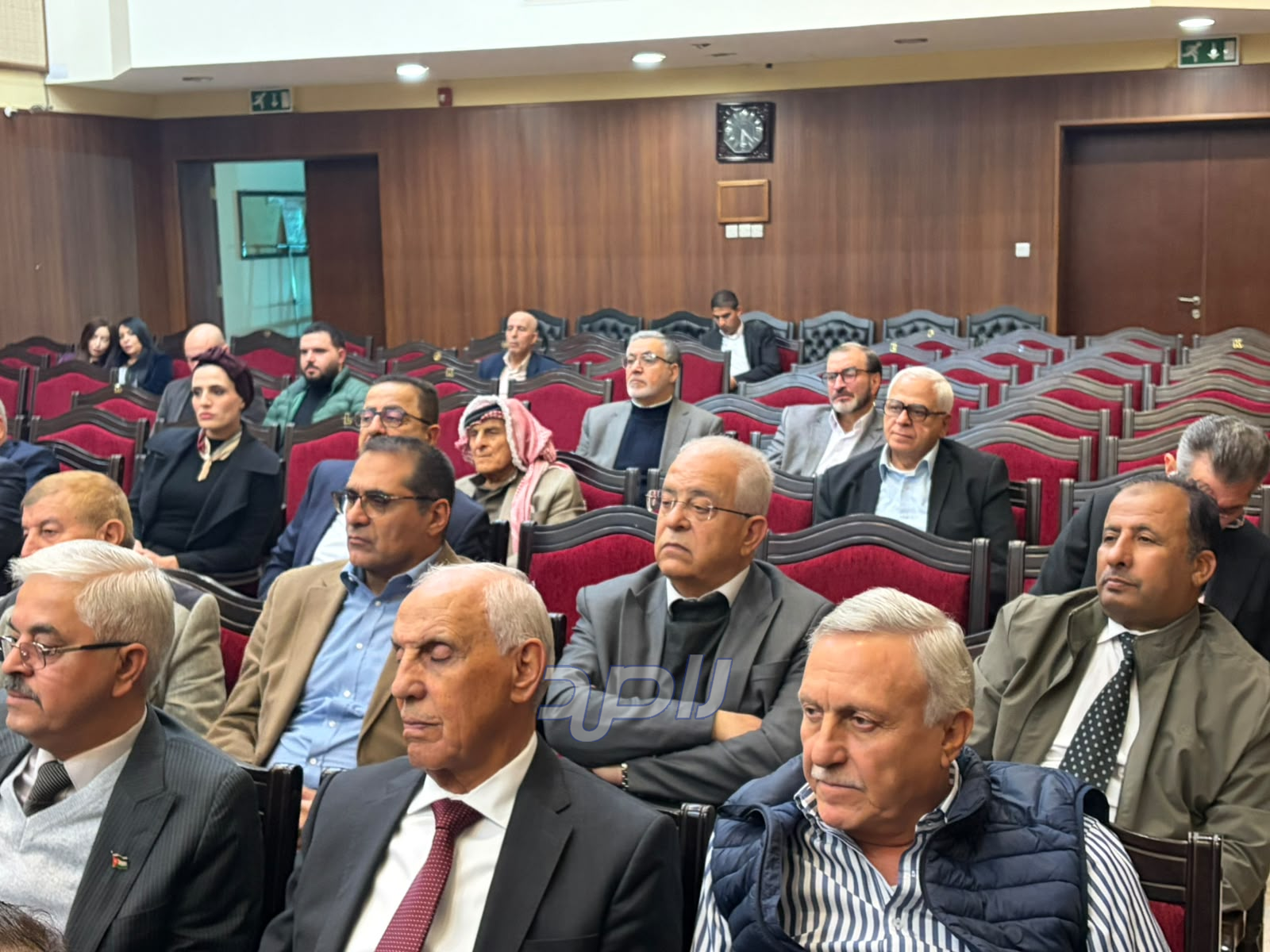
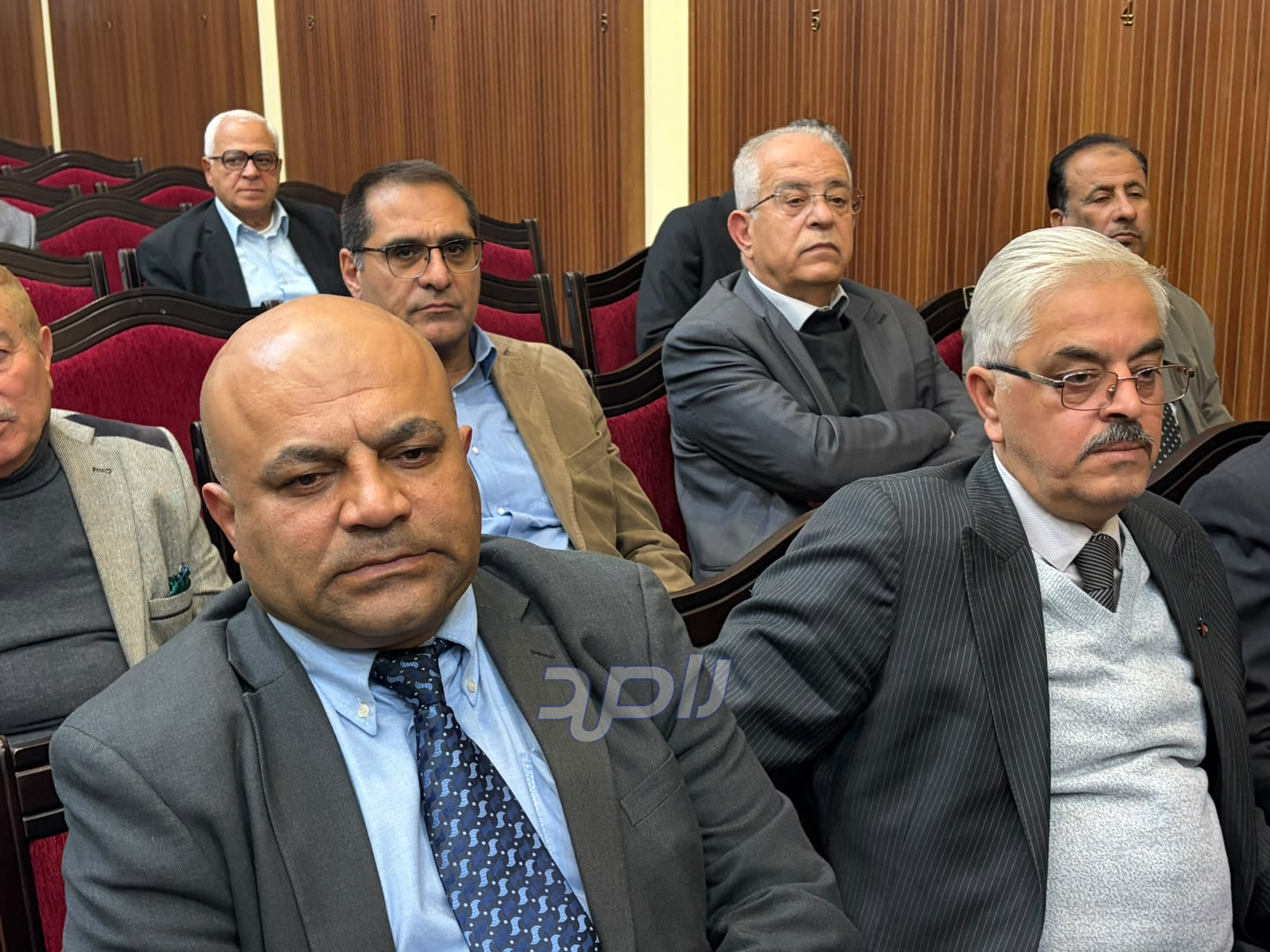
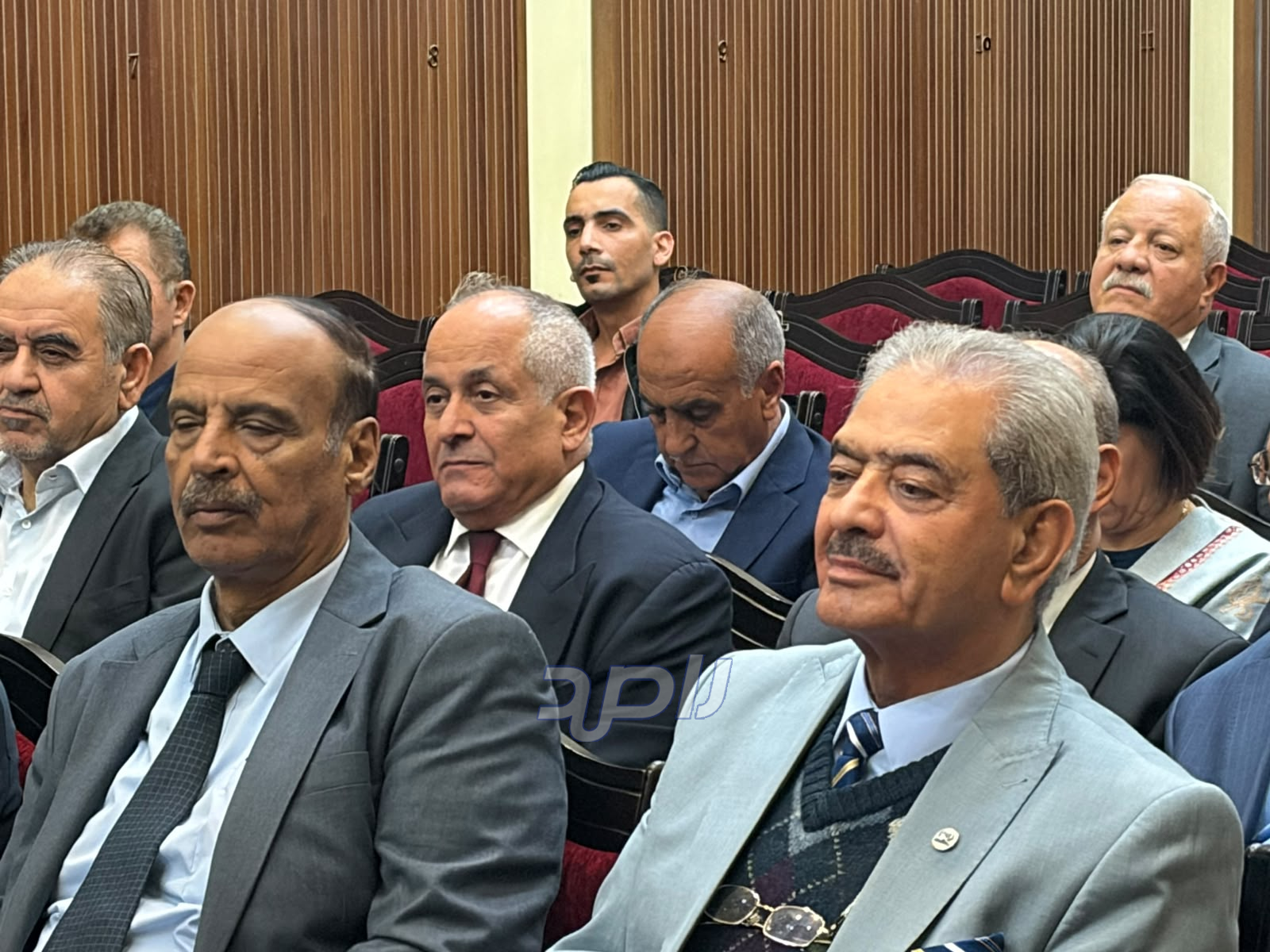
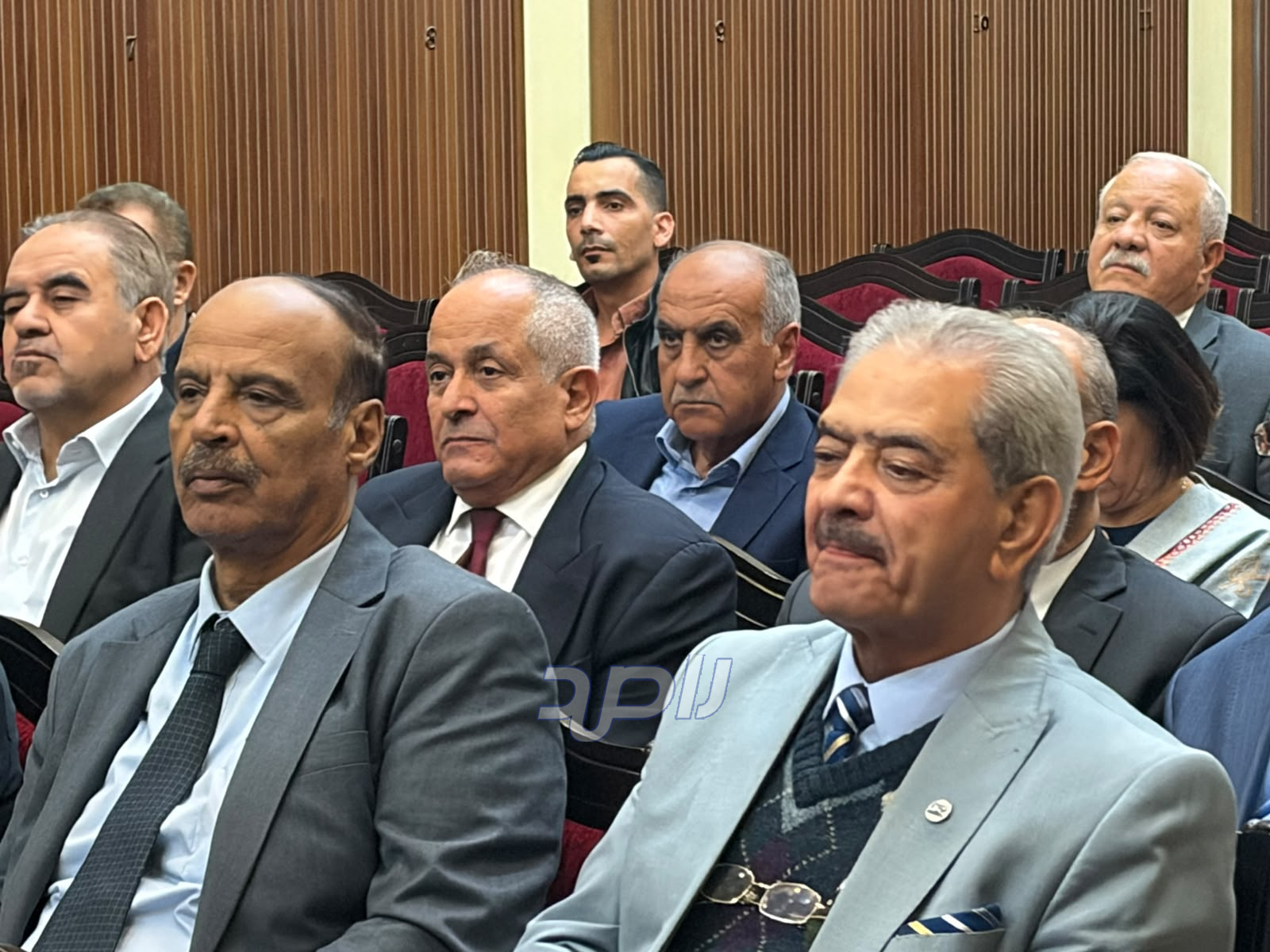
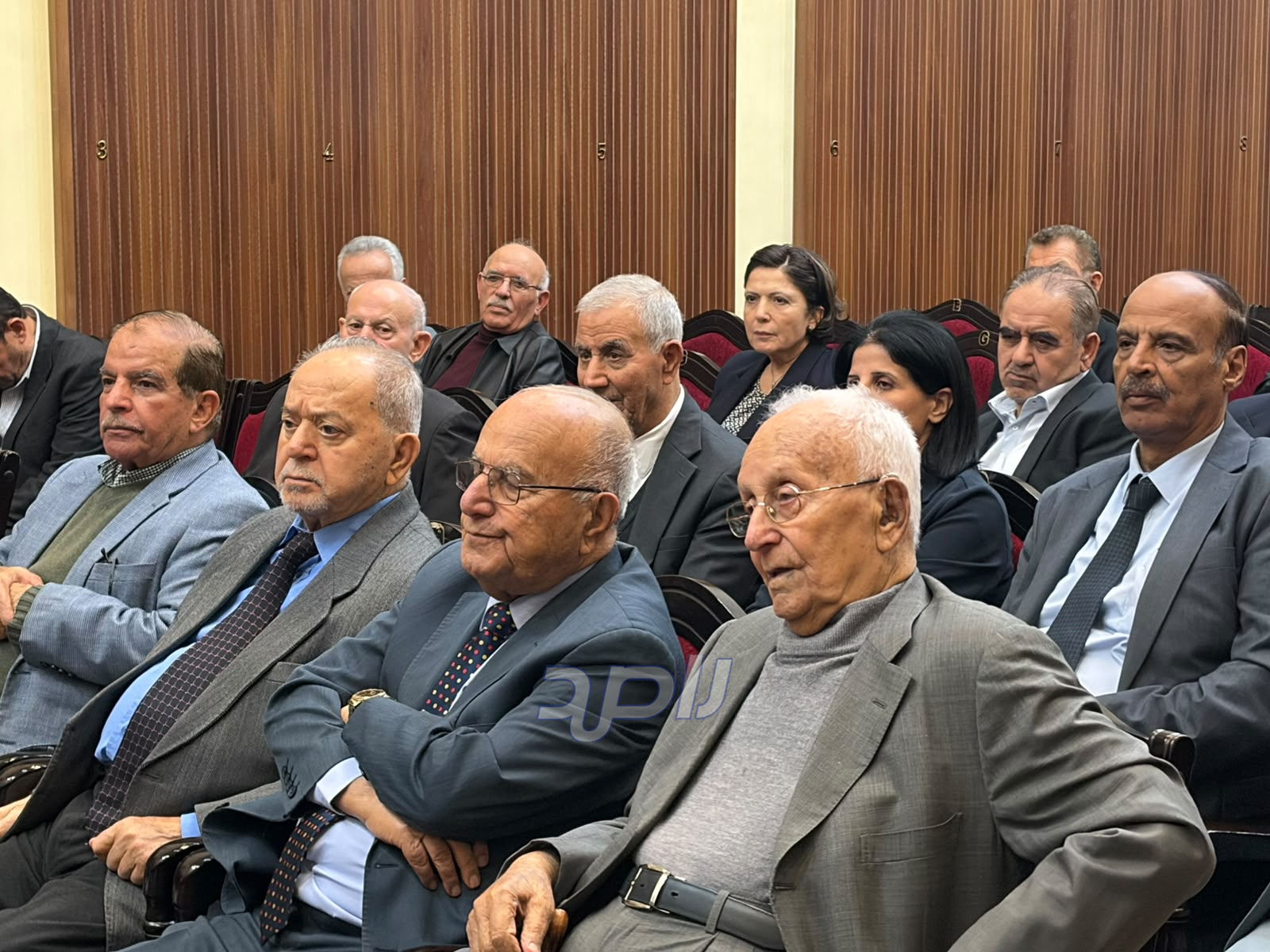
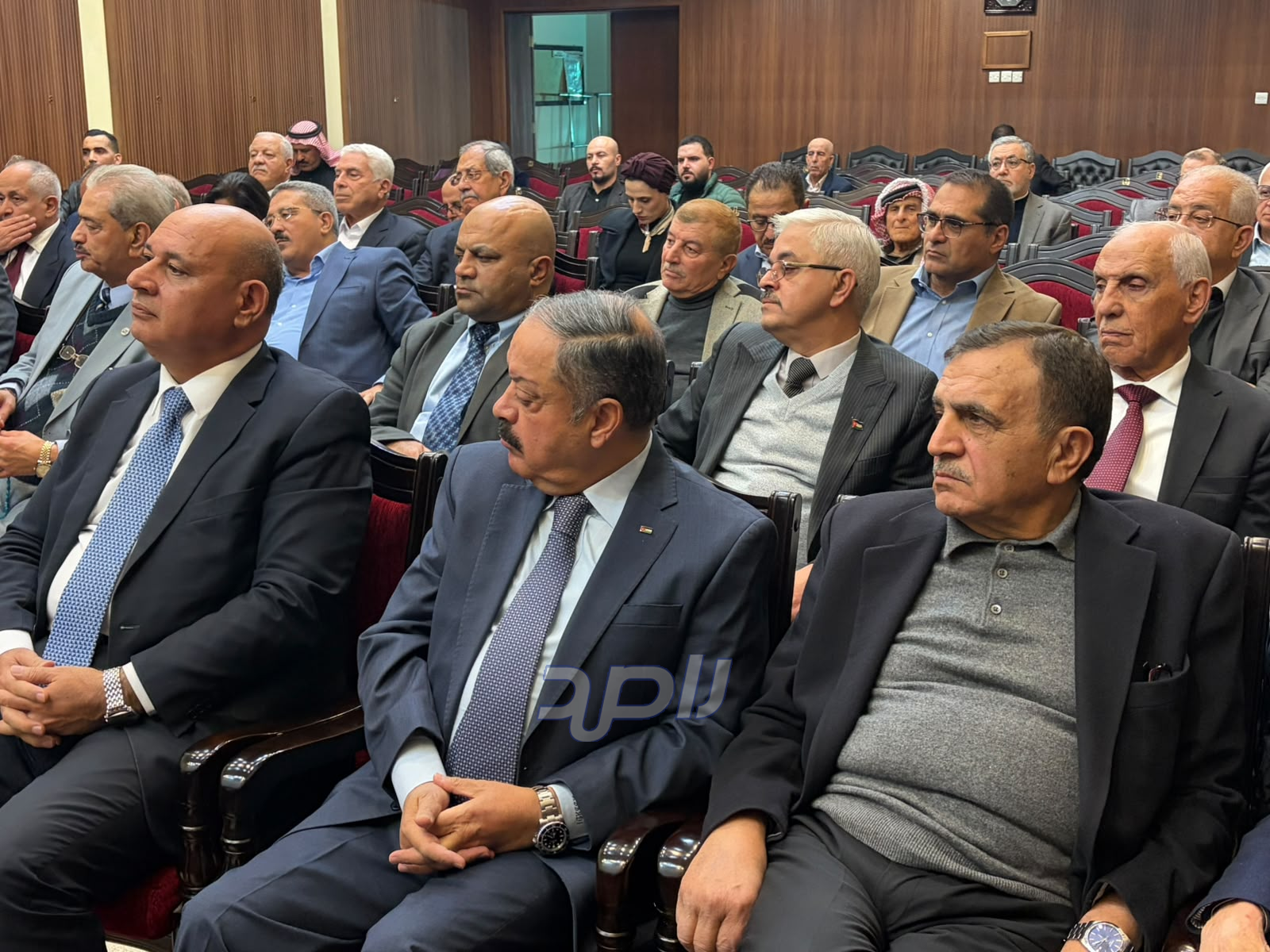
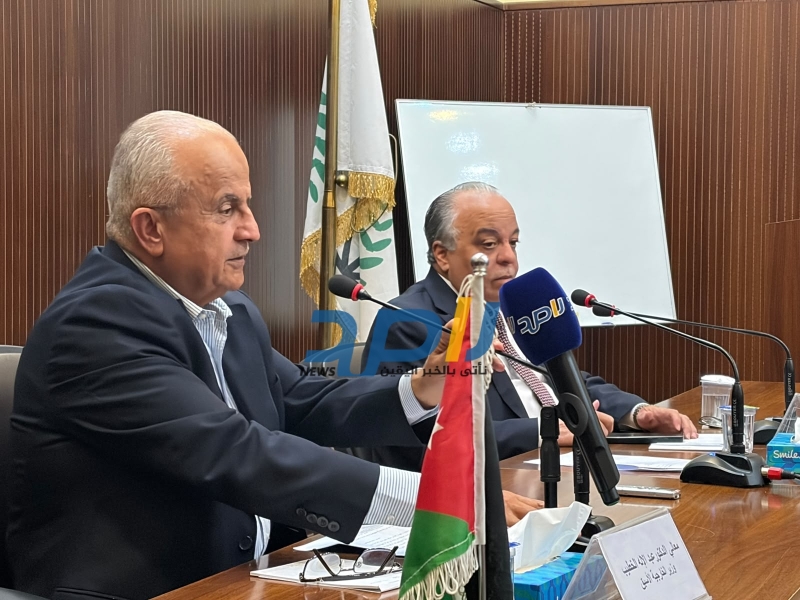
عمان - 10 تشرين الثاني 2026 - عقدت جمعية الشؤون الدولية محاضرة في مقرها بعنوان «تأثير الانتخابات النصفية الأمريكية على السياسة الداخلية والخارجية»، تحدث فيها معالي الدكتور عبد الإله الخطيب، وزير الخارجية الأسبق، بحضور دولة الرئيس الدكتور عدنان بدران، وعدد من أصحاب المعالي والسعادة والشخصيات السياسية والدبلوماسية والأكاديمية، وجمع من المهتمين بالشؤون الدولية والإقليمية.
وتناول الخطيب قراءة تحليلية لنتائج الانتخابات النصفية الأمريكية وتداعياتها على المشهد السياسي الداخلي وانعكاساتها على السياسة الخارجية الأمريكية، ولا سيما في الشرق الأوسط. واعتبر أن الانتخابات شكلت تصحيحاً سياسياً للمسار الذي ساد خلال السنوات العشر الماضية، وأظهرت قدرة المجتمع الأمريكي ومؤسساته الدستورية على إعادة التوازن، موضحاً أن الحزب الديمقراطي حقق أغلبية مريحة في مجلسي الكونغرس ونتائج متقدمة في انتخابات حكام الولايات والانتخابات المحلية، وصولاً إلى شخصيات جديدة تعكس تغيراً في التركيبة الاجتماعية والسياسية للناخب الأمريكي.
وفي تفسيره خسارة المعسكر الجمهوري، أشار الخطيب إلى تضافر عوامل سياسية واقتصادية واجتماعية، من أبرزها سياسات الرئيس دونالد ترامب وما أثارته من مخاوف، والتداعيات الاقتصادية للحرب مع إيران وارتفاع الأسعار وتراجع القدرة الشرائية، إضافة إلى ملفات التأمين الصحي والهجرة واستخدام المؤسسات القضائية في الصراعات السياسية واتهامات الفساد. ولفت إلى أن الدعم المالي الكبير لبعض المانحين، ومنهم إيلون ماسك، لم يضمن فوز المرشحين المدعومين، وأن دخول القضية الفلسطينية والحرب على غزة بقوة في النقاش الانتخابي، خاصة لدى الشباب والناخبين العرب والمسلمين، تحول إلى عامل مؤثر في الحسابات السياسية الأمريكية، مع تحذير من افتراض استمرار هذا التأثير تلقائياً في ظل قدرات إسرائيل وجهات دعمها.
وفيما يخص المرحلة المقبلة، أوضح الخطيب أن فوز الديمقراطيين سيضع إدارة ترامب أمام كونغرس معارض يحد من قدرتها على تمرير سياساتها الداخلية، متوقعاً تشريعات وتحقيقات في ملفات الصحة والإنفاق وأداء الإدارة، ومشيراً إلى أن صلاحيات الكونغرس في الموازنة والأموال وسقوف الدين أدوات ضغط مهمة، بينما يبقى تأثيره في السياسة الخارجية أقل من تأثيره الداخلي. وانتقل إلى الانعكاسات الدولية، فرأى أن دولاً أوروبية وكندا وأستراليا قد ارتاحت لتراجع نفوذ المعسكر المرتبط بترامب، وأن أوكرانيا قد تستفيد جزئياً، بينما قد لا ترتاح روسيا وإسرائيل للقيود المحتملة، وأن تأثير الانتخابات على الصين قد يكون أقل لاستقرار مسارها الاستراتيجي. وفي الشأن الإيراني، قال إن الخيارات أمام إدارة ترامب تتراوح بين استئناف العمل العسكري أو تشديد العقوبات أو المفاوضات، مرجحاً صعوبة حرب واسعة في ظل غياب تأييد شعبي أمريكي، مع استمرار أهمية المسار الدبلوماسي.
وفيما يتعلق بالأردن، أكد الخطيب أن العلاقات الأردنية الأمريكية تقوم على أسس مؤسسية راسخة وتوازن مع الحزبين الجمهوري والديمقراطي، وأن مذكرة التفاهم للمساعدات حتى عام 2029 توفر إطاراً مهماً للتعاون، محذراً من أن الكونغرس الجديد قد يكون أقل دعماً للمساعدات الخارجية وأكثر ميلاً لفرض شروط، وداعياً إلى مواصلة العمل مع المؤسسات الأمريكية وإبراز الأهمية الاستراتيجية للأردن. وتحدث عن دول عربية عدة وعلاقاتها بالإدارات الأمريكية، ورأى أن السلطة الفلسطينية قد تشهد تحسناً محدوداً اقتصادياً دون انفراج سياسي كبير قريب.
وفي ختام المحاضرة، شدد الخطيب على أن التحولات الأمريكية لا تعوض الحاجة إلى موقف عربي موحد وفاعل، وإلى إعادة بناء منظومة العمل العربي المشترك والانتقال من ردود الفعل إلى المبادرة، مؤكداً أهمية ترسيخ مفهوم الدولة الوطنية واحترام السيادة وعدم التدخل في الشؤون الداخلية، وبناء علاقات متوازنة مع دول الجوار بما فيها إيران وتركيا. وخلال النقاش، تناول الحضور تداعيات الانتخابات على القضية الفلسطينية والعلاقات الأمريكية الإسرائيلية ومساعدات الأردن واحتمالات التصعيد مع إيران ومستقبل العمل العربي، وأكد الخطيب أن حل الدولتين يبقى الحل الأكثر واقعية، وأن النفوذ الإسرائيلي ما زال قوياً، وأن أي تغيير يحتاج إلى عمل منظم ومتواصل، وأن حماية الدولة الأردنية واستقرارها تبقى أولوية أساسية.
Amman - November 10, 2026 - The Society for International Affairs held a lecture at its headquarters titled "The Impact of the U.S. Midterm Elections on Domestic and Foreign Policy,” delivered by former Foreign Minister Dr. Abdel Ilah Al-Khatib, in the presence of former Prime Minister Dr. Adnan Badran, a number of dignitaries and political, diplomatic and academic figures, and people interested in international and regional affairs.
Al-Khatib presented an analytical reading of the U.S. midterm election results and their implications for the domestic political scene and U.S. foreign policy, especially in the Middle East. He considered the elections a political correction of the course that had prevailed over the past ten years and a demonstration of American society’s and constitutional institutions’ ability to restore balance. He explained that the Democratic Party secured a comfortable majority in both chambers of Congress and strong results in gubernatorial and local elections, bringing new figures into politics and reflecting a change in the social and political composition of the American voter.
Explaining the Republican camp’s loss, Al-Khatib pointed to a combination of political, economic and social factors, most notably President Donald Trump’s policies and the fears they raised, the economic repercussions of the war with Iran, rising prices and declining purchasing power, in addition to health insurance, immigration, the use of judicial institutions in political conflicts and corruption accusations. He noted that massive financial support from donors such as Elon Musk did not guarantee victory for the candidates they backed, and that the strong entry of the Palestinian cause and the war on Gaza into the electoral debate, especially among young people and Arab and Muslim voters, became an influential factor in American political calculations, while warning against assuming that this effect would continue automatically given Israel’s and its supporters’ capabilities.
Regarding the next phase, Al-Khatib explained that a Democratic victory would place the Trump administration before an opposing Congress that limits its ability to pass domestic policies, expecting legislation and investigations on health, spending and the administration’s performance. He noted that Congress’s powers over the budget, funds and debt ceilings are important tools of pressure, while its influence on foreign policy remains less than on domestic affairs. On international implications, he believed that European countries, Canada and Australia had been relieved by the decline in influence of the Trump-linked camp, that Ukraine might benefit partially, that Russia and Israel might not welcome potential political restrictions, and that the elections’ impact on China might be less due to its stable strategic course. On Iran, he said the Trump administration’s options range from resuming military action to tightening sanctions or negotiating, and he considered a broad war difficult given the lack of broad American public support, while diplomacy remains important.
On Jordan, Al-Khatib affirmed that Jordanian-American relations are based on solid institutional foundations and balance with both the Republican and Democratic parties, and that the assistance memorandum of understanding until 2029 provides an important framework for cooperation. He warned that the new Congress may be less supportive of foreign aid and more inclined to impose conditions, calling for continued work with American institutions and highlighting Jordan’s strategic importance. He also addressed several Arab states’ relations with U.S. administrations and expected only limited economic improvement for the Palestinian Authority without a major political breakthrough soon.
At the conclusion of the lecture, Al-Khatib stressed that American transformations are no substitute for a unified and effective Arab position and for rebuilding joint Arab action and moving from reactions to initiative. He emphasized consolidating the national state, respecting sovereignty and non-interference in internal affairs, and building balanced relations with neighboring countries, including Iran and Turkey. During the discussion, attendees addressed the elections’ implications for the Palestinian cause, U.S.-Israeli relations, assistance to Jordan, the possibility of escalation with Iran and the future of Arab action. Al-Khatib affirmed that the two-state solution remains the most realistic solution, that Israeli influence remains strong, that any change requires organized and continuous work, and that protecting the Jordanian state and its stability remains a fundamental priority.