حماية وحرية الصحفيين تناقش مستقبل إسرائيل في أمريكا
راصد الإخباري -
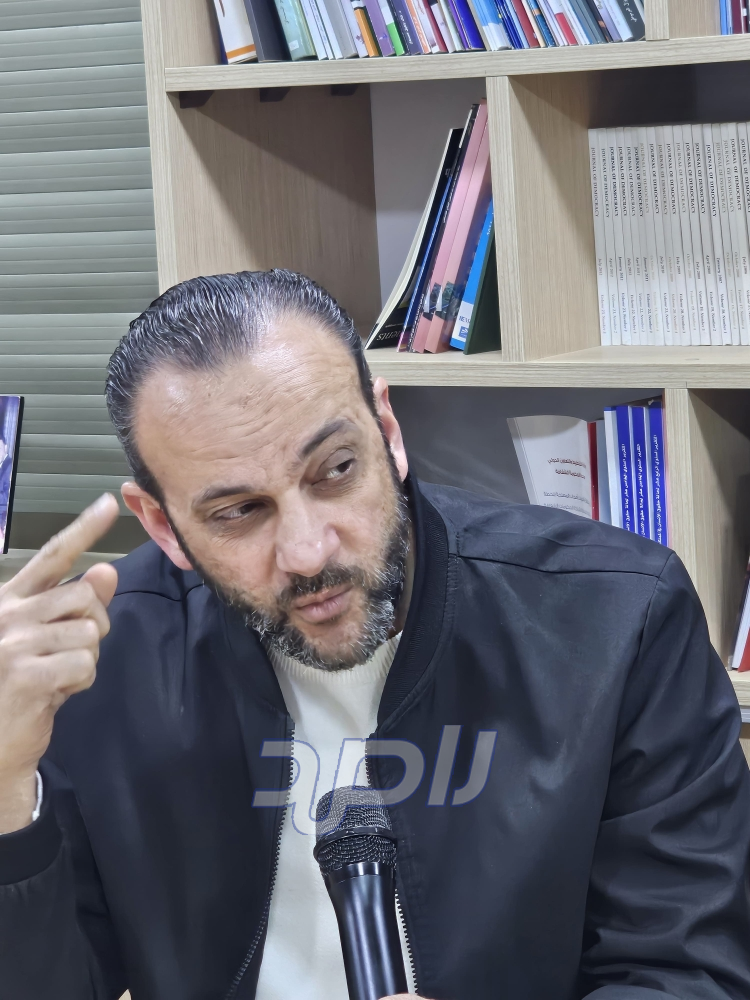
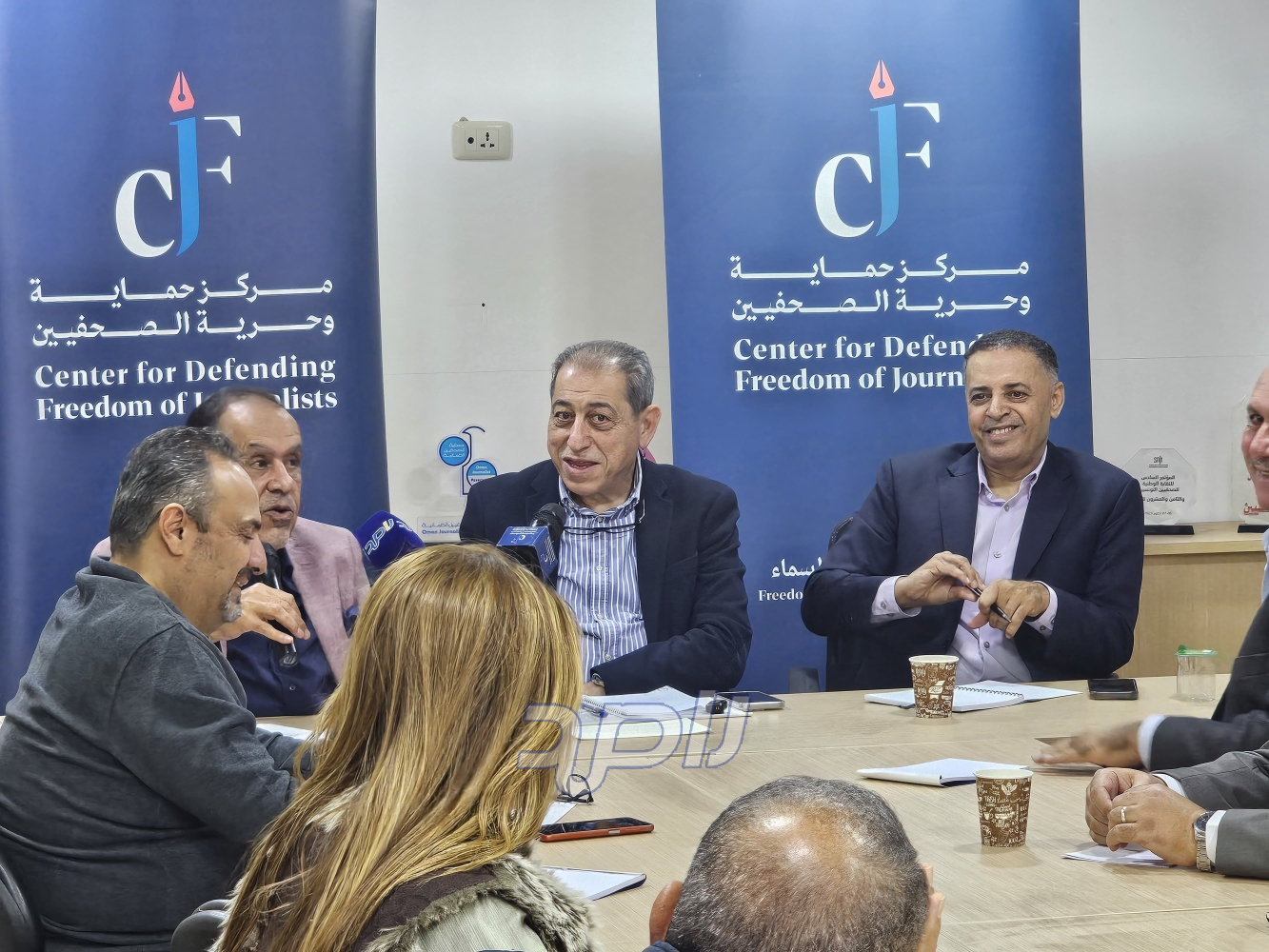
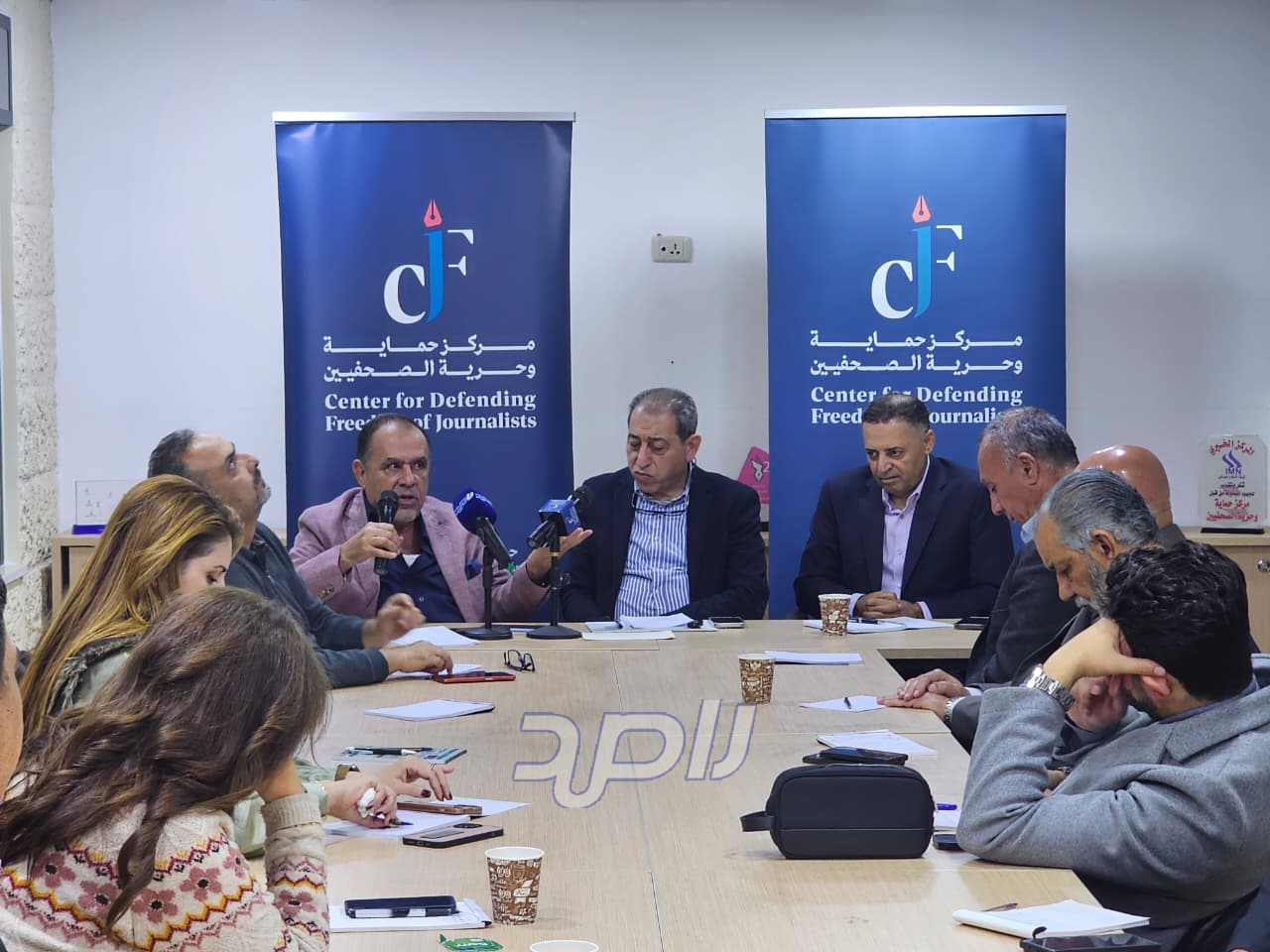
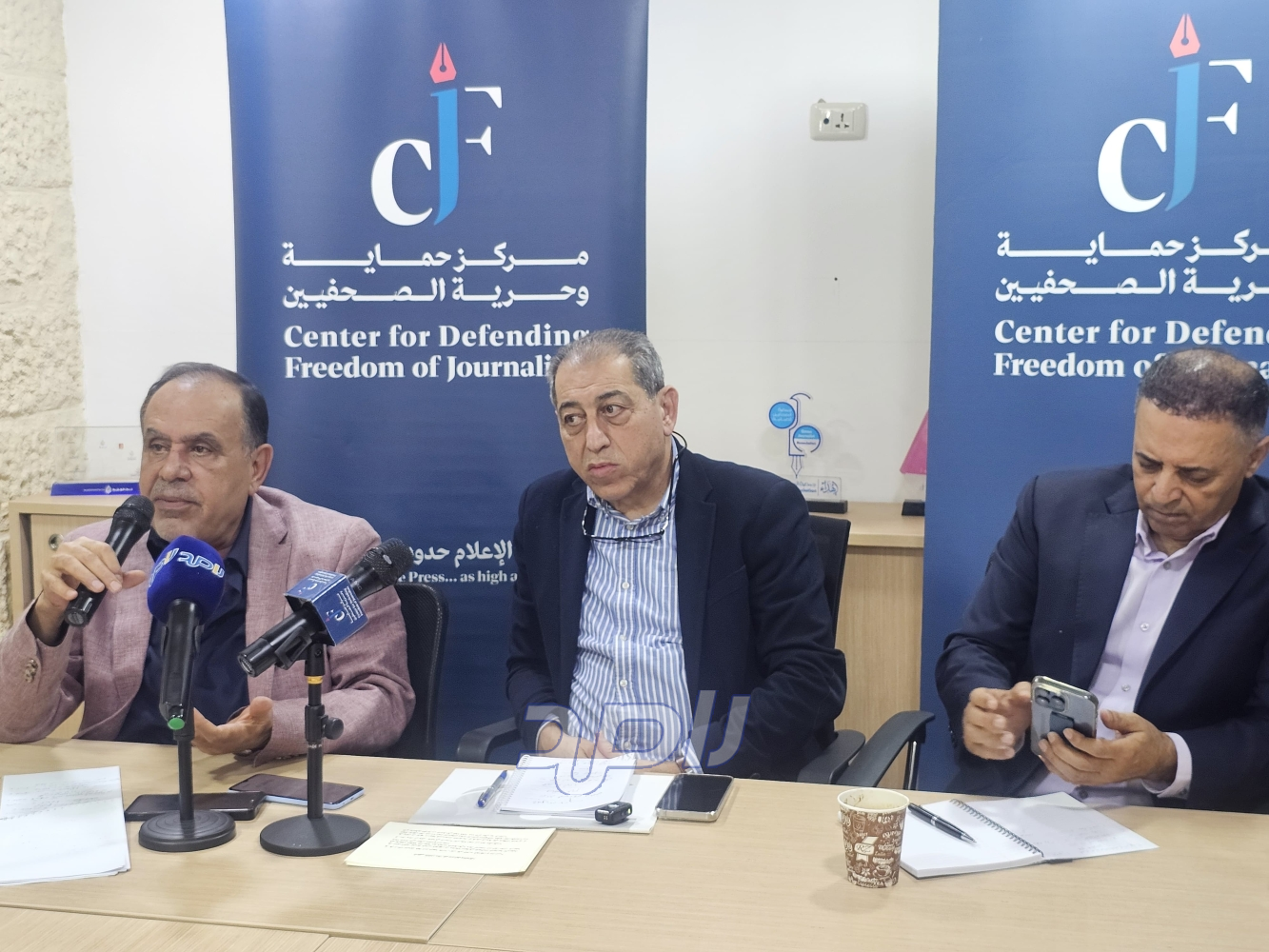
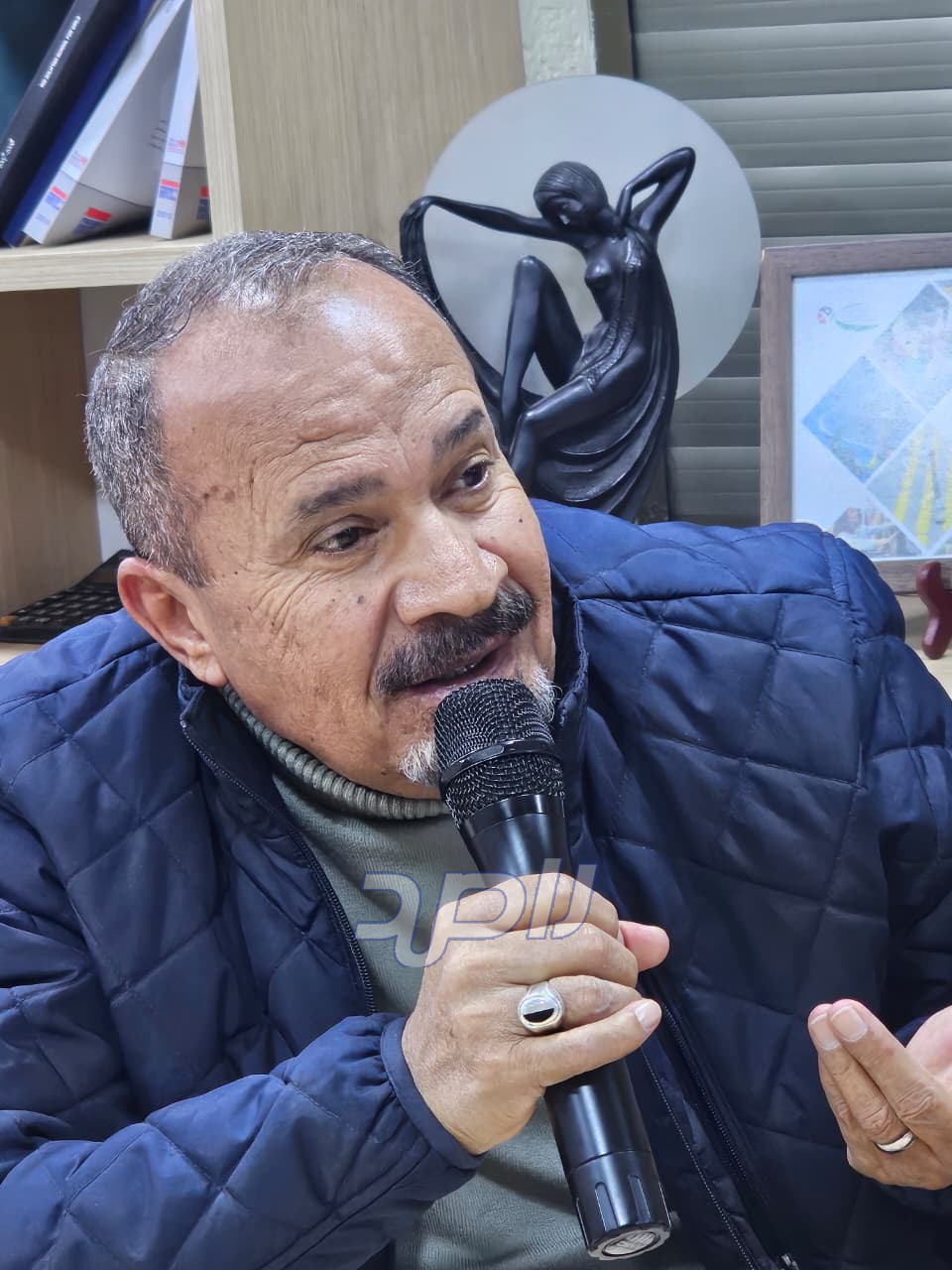
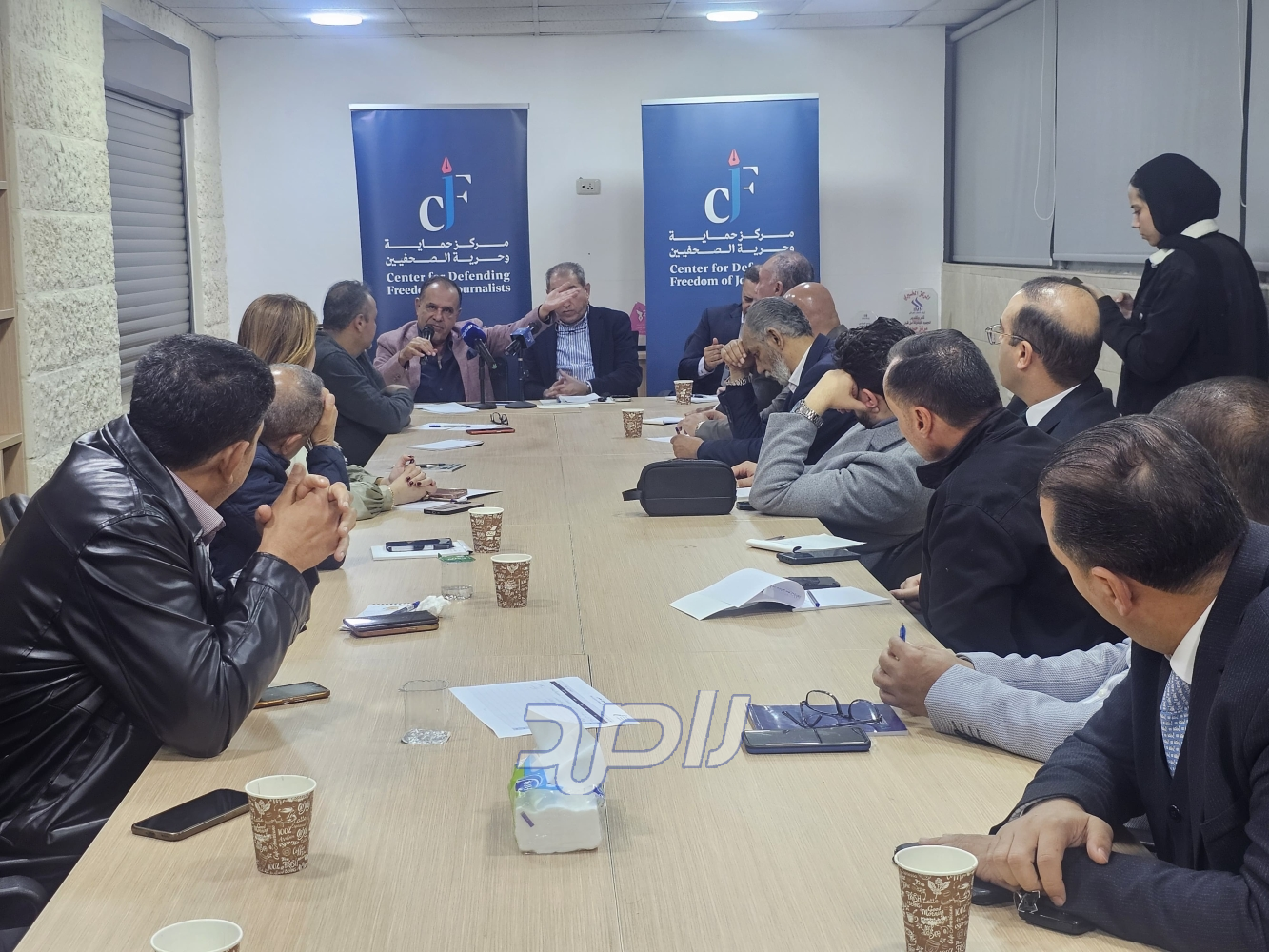
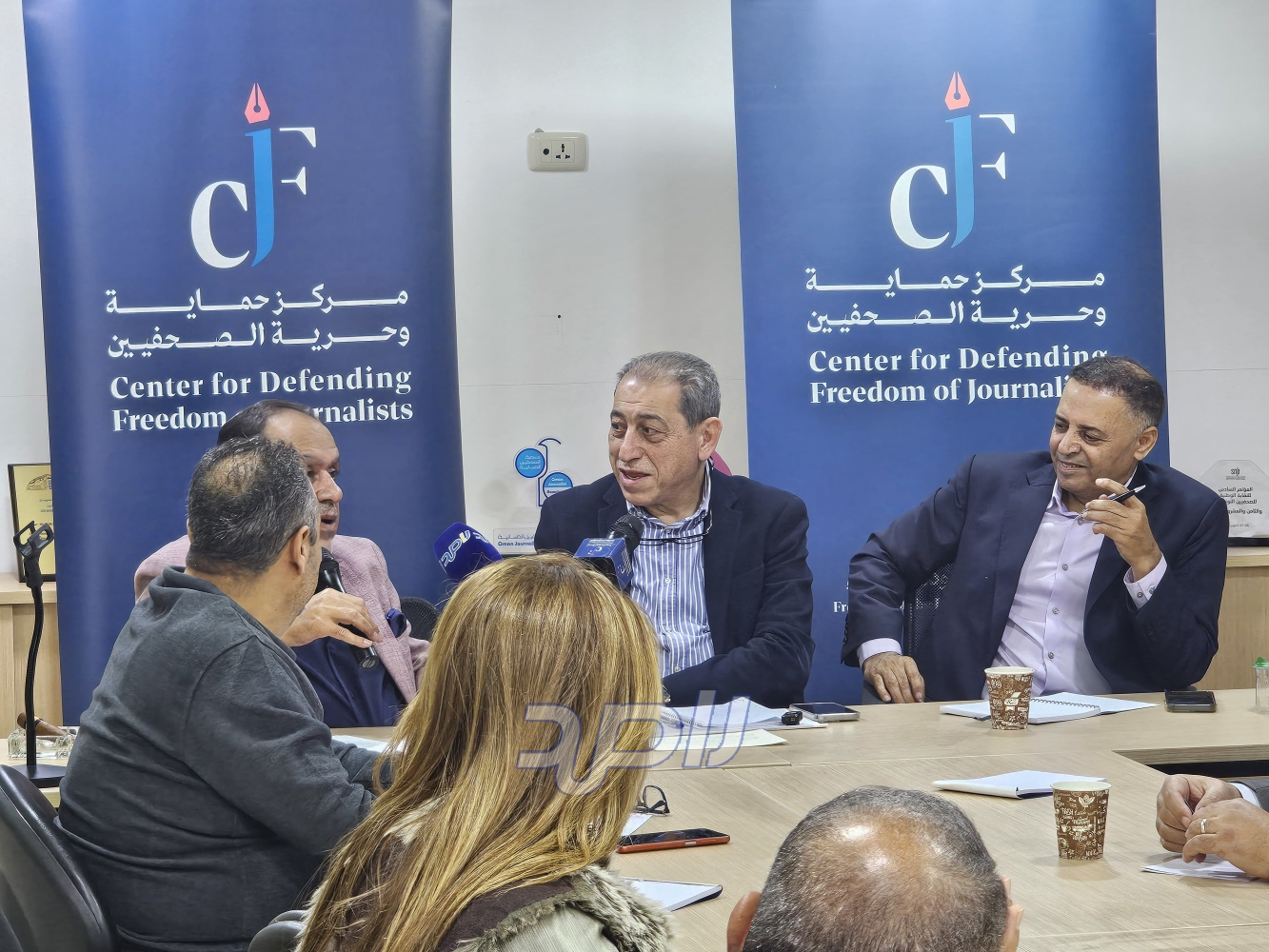
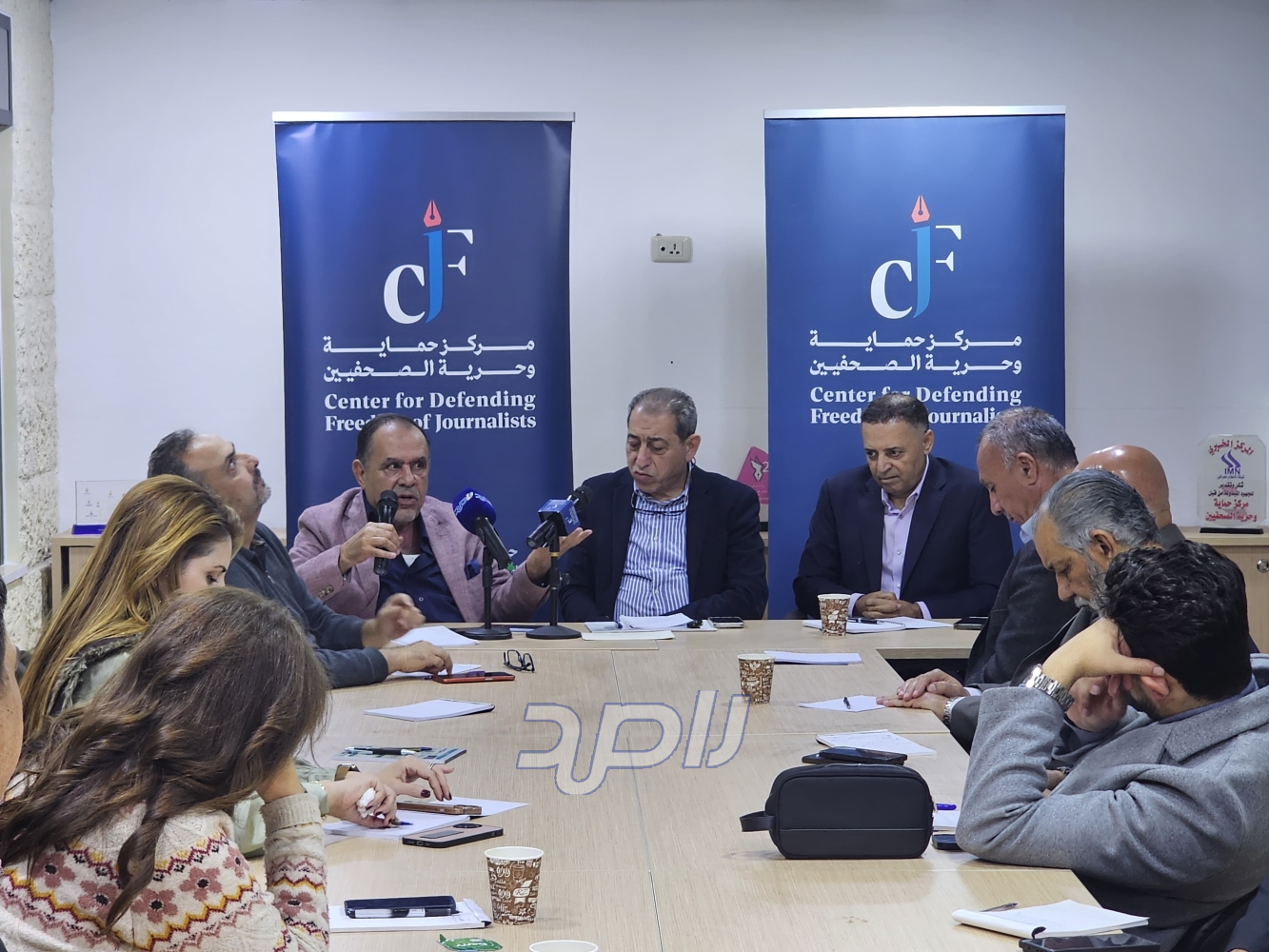
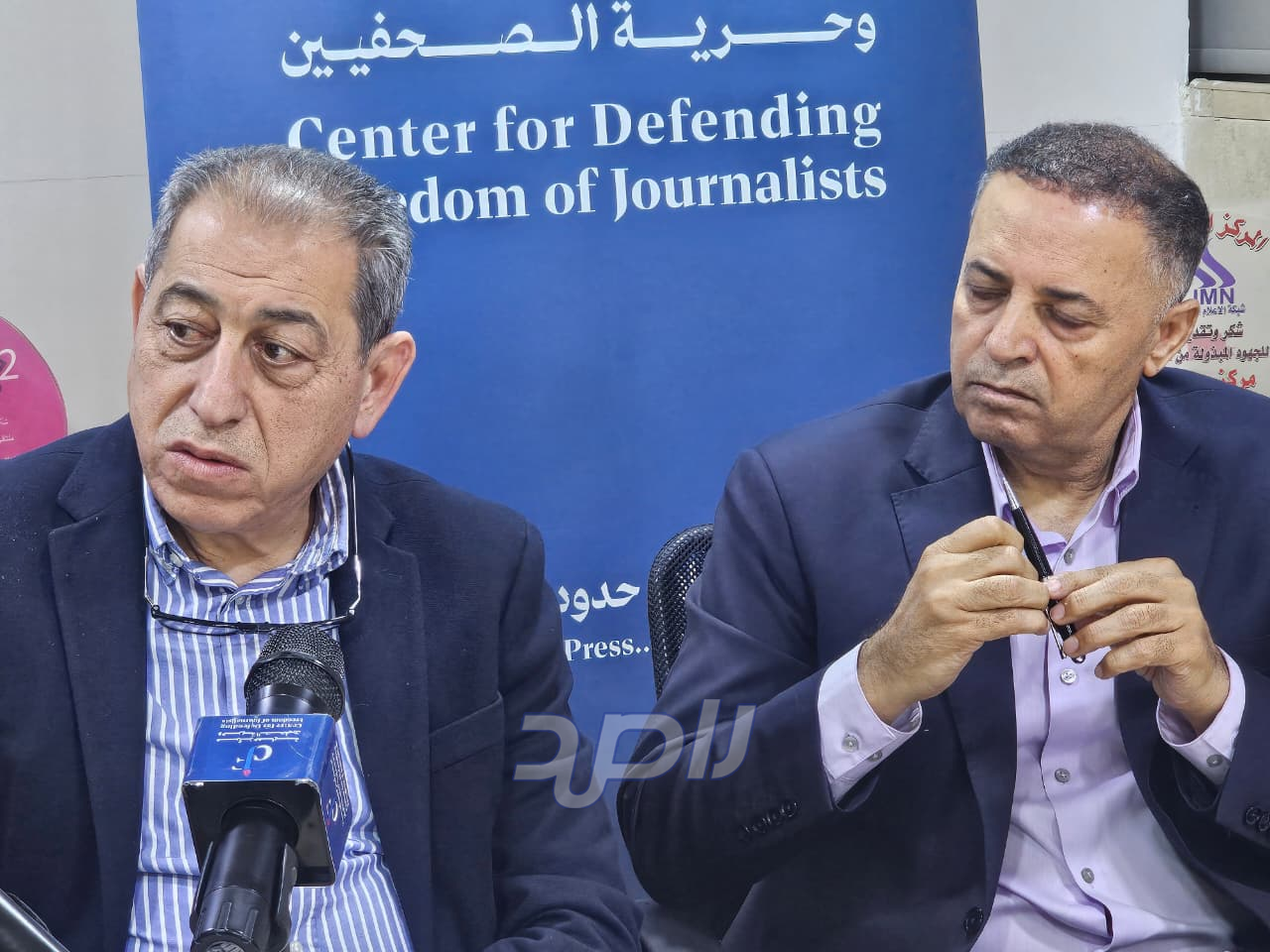
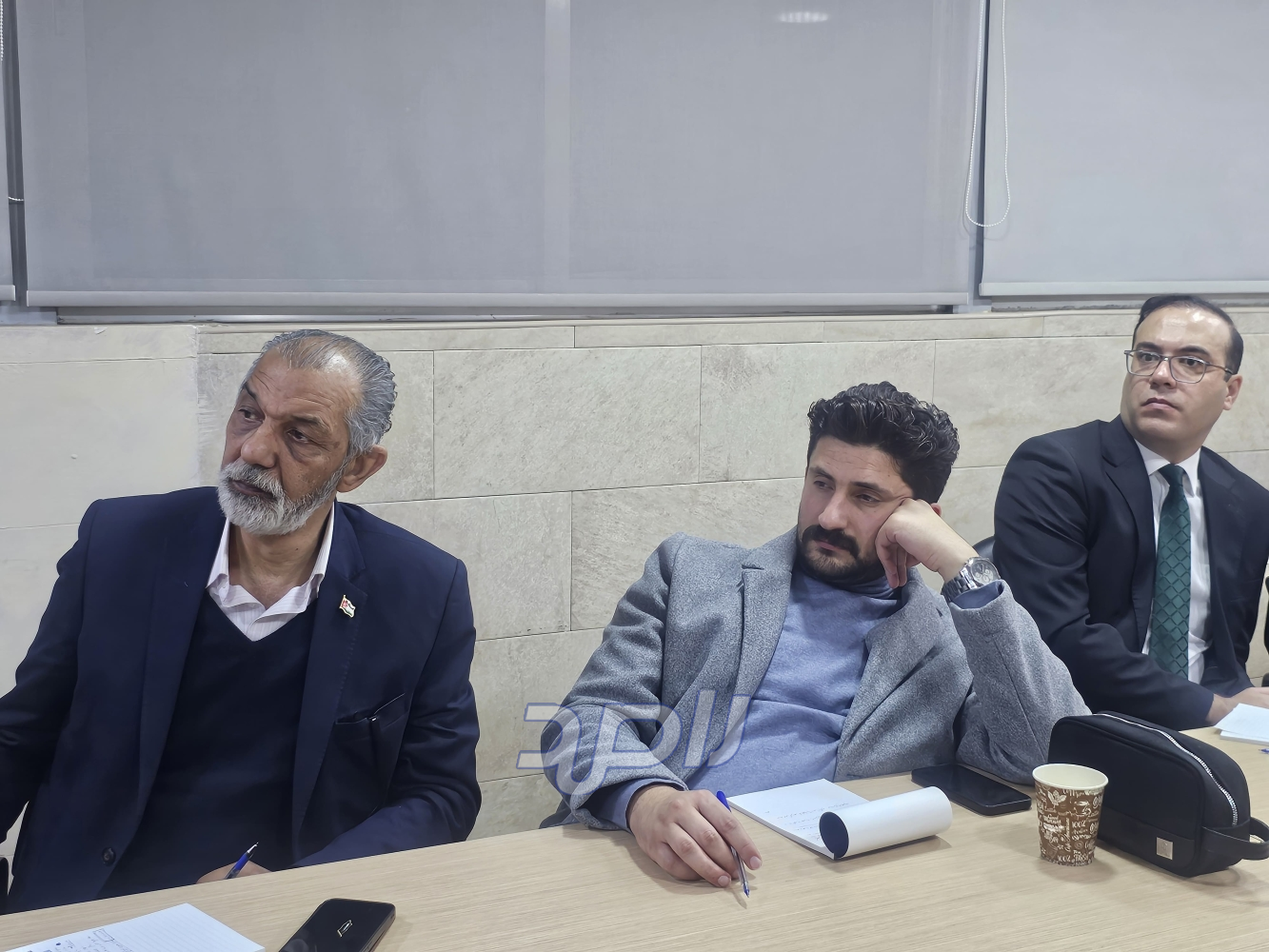
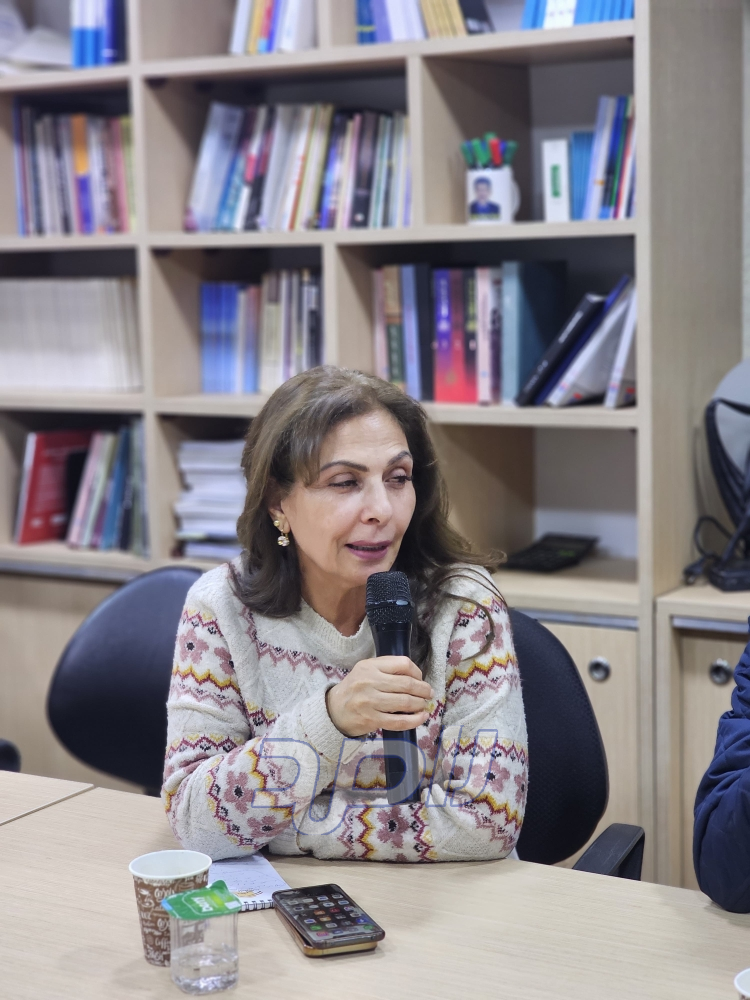
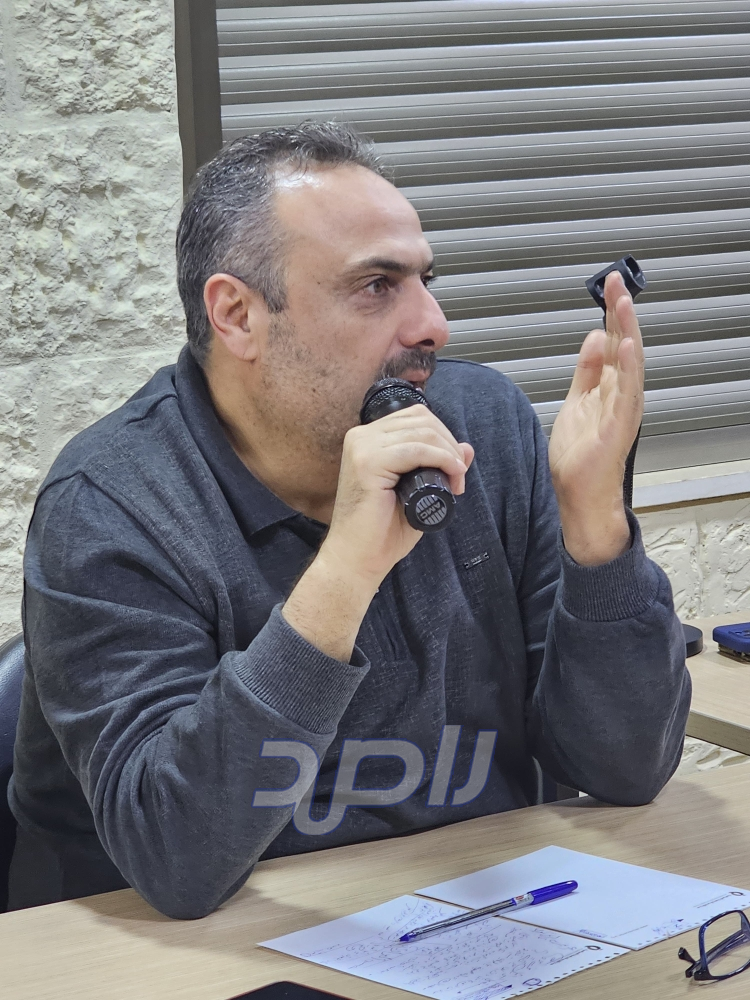
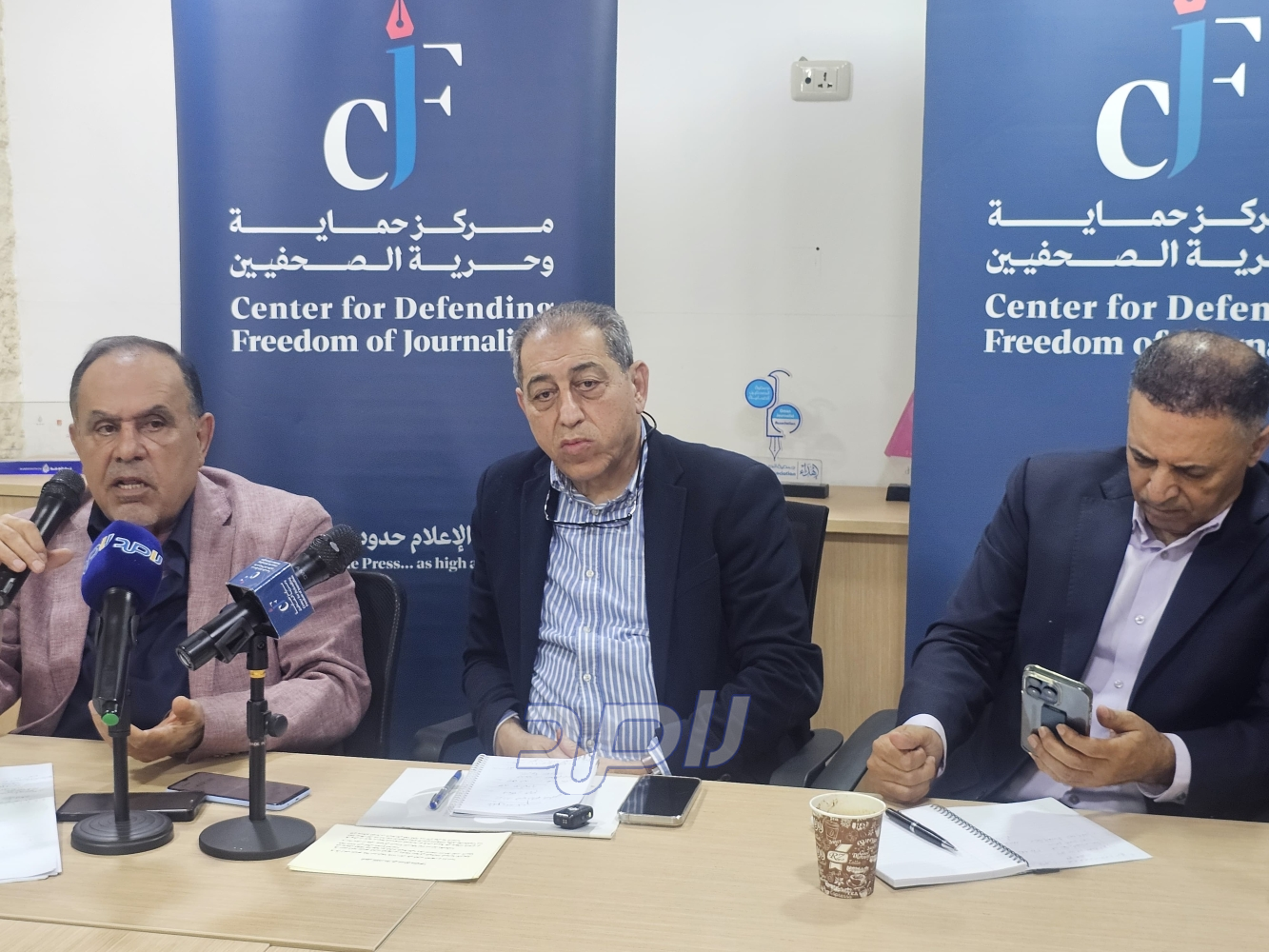
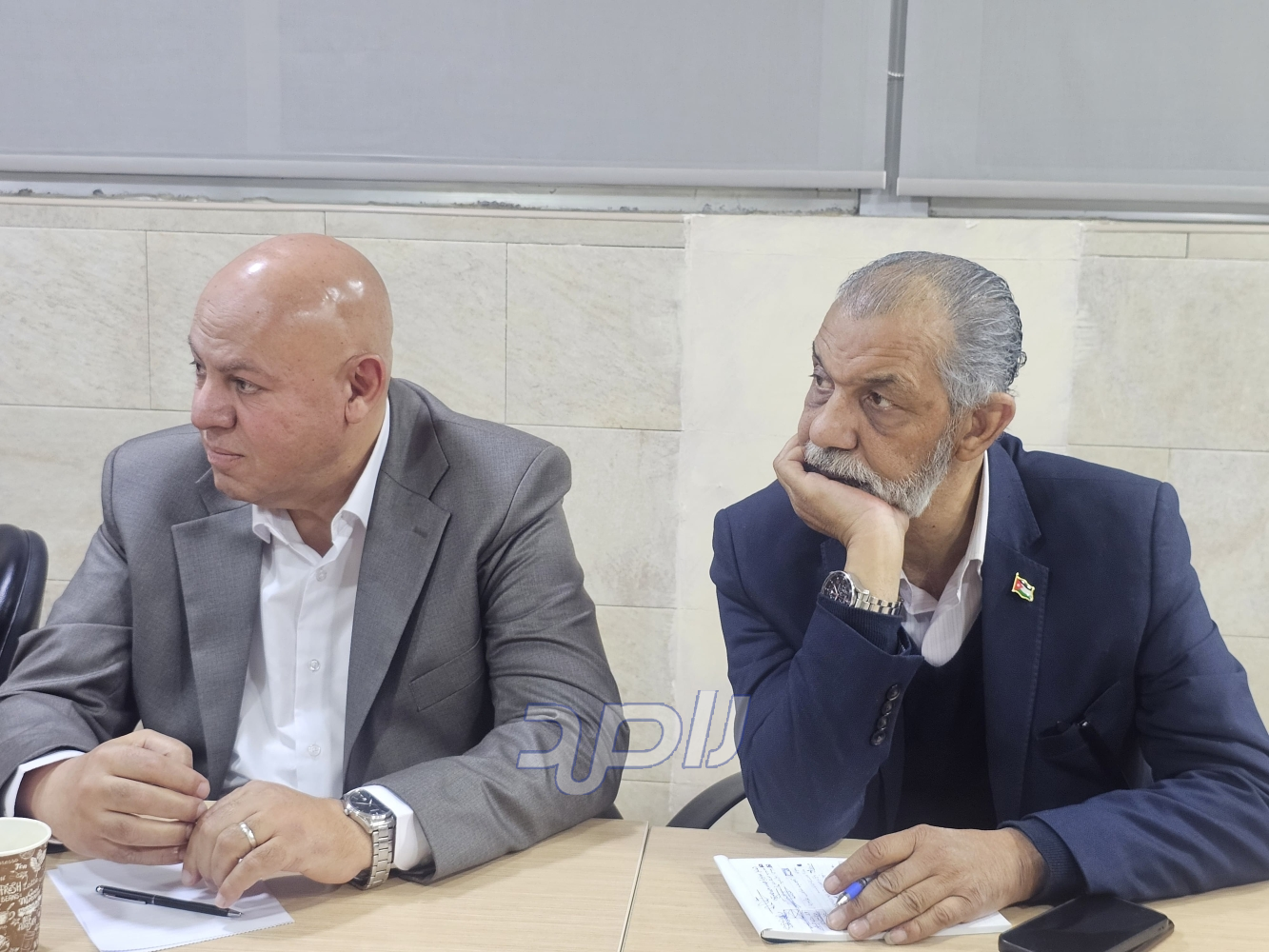
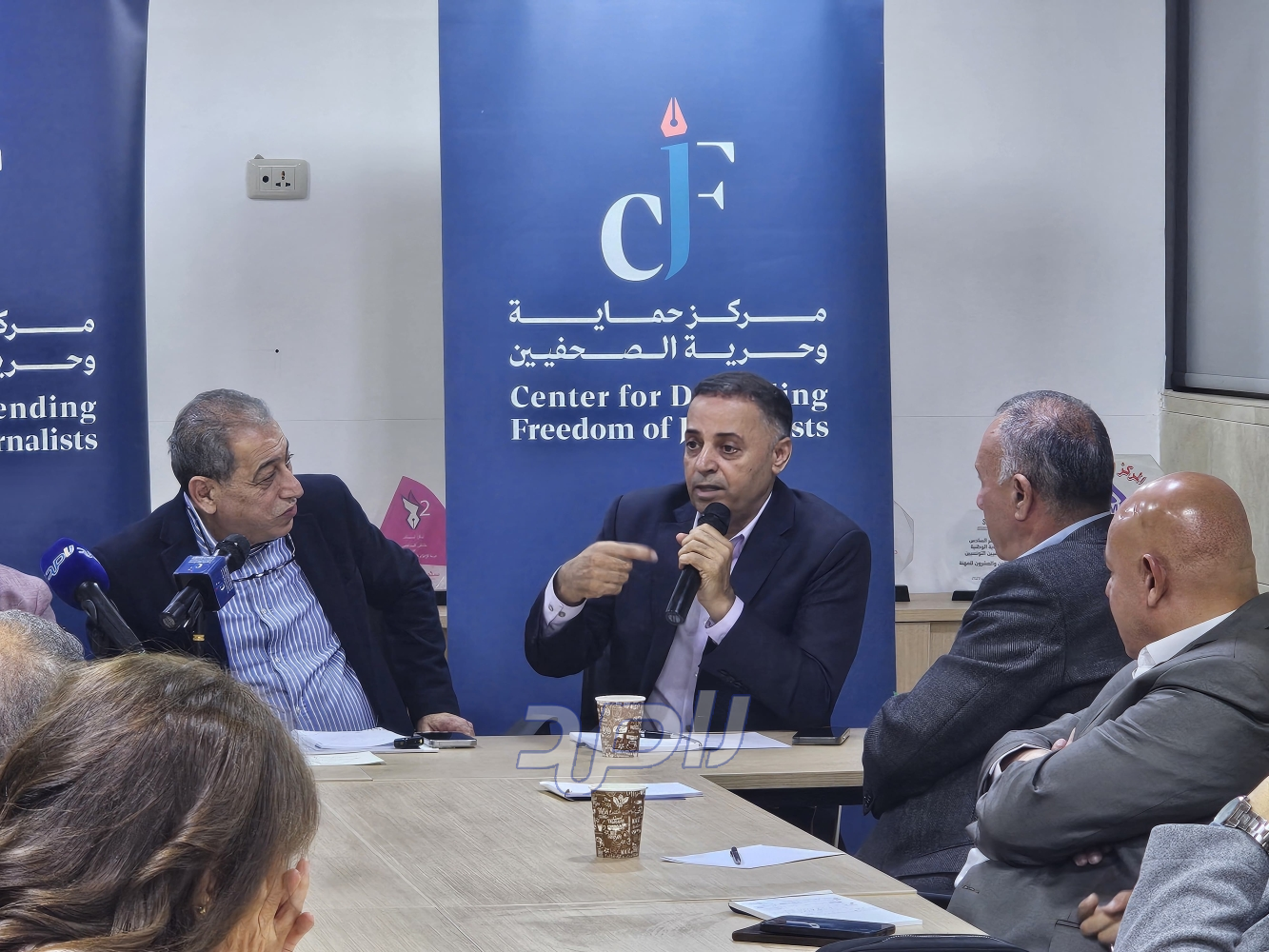
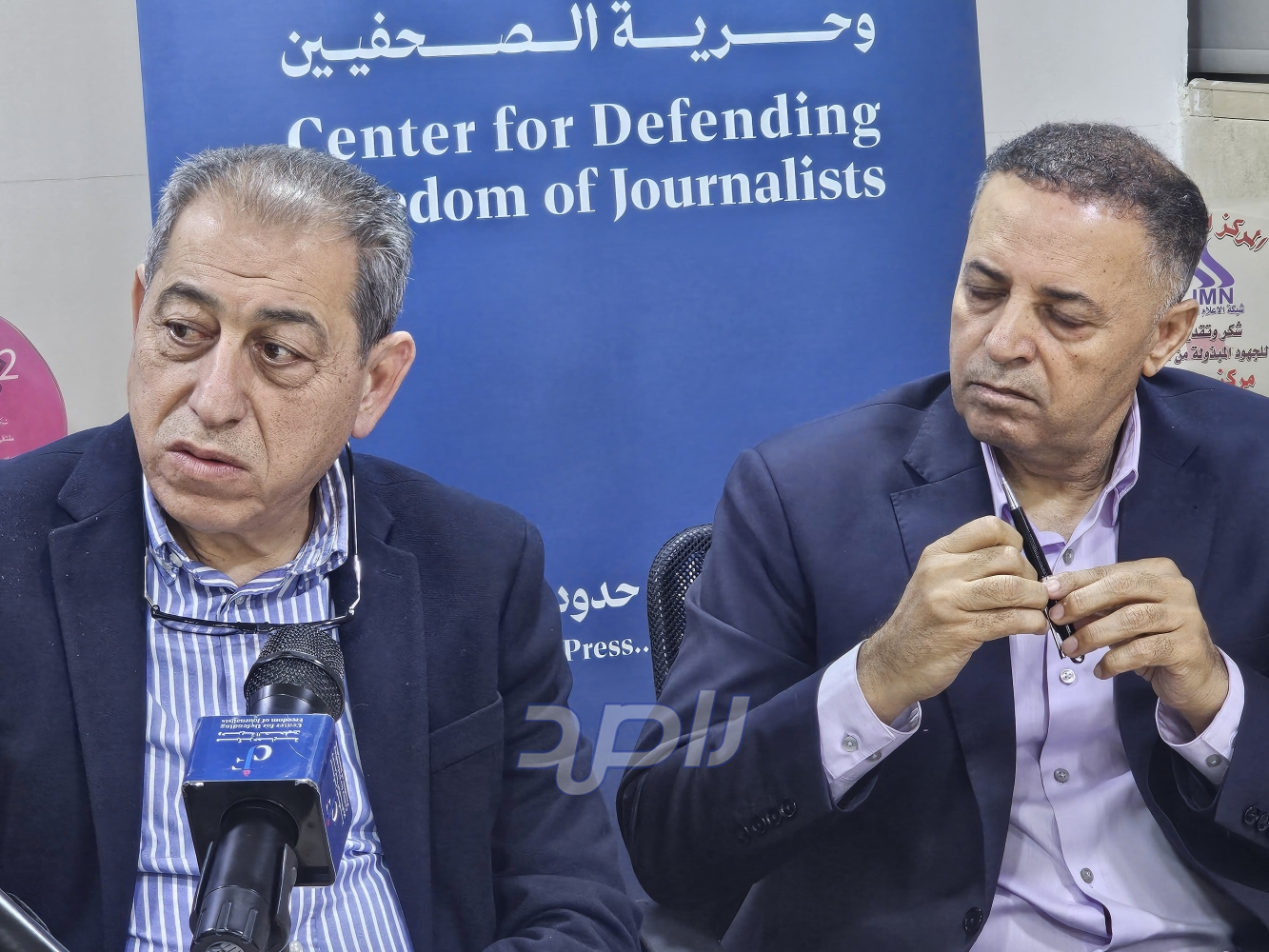
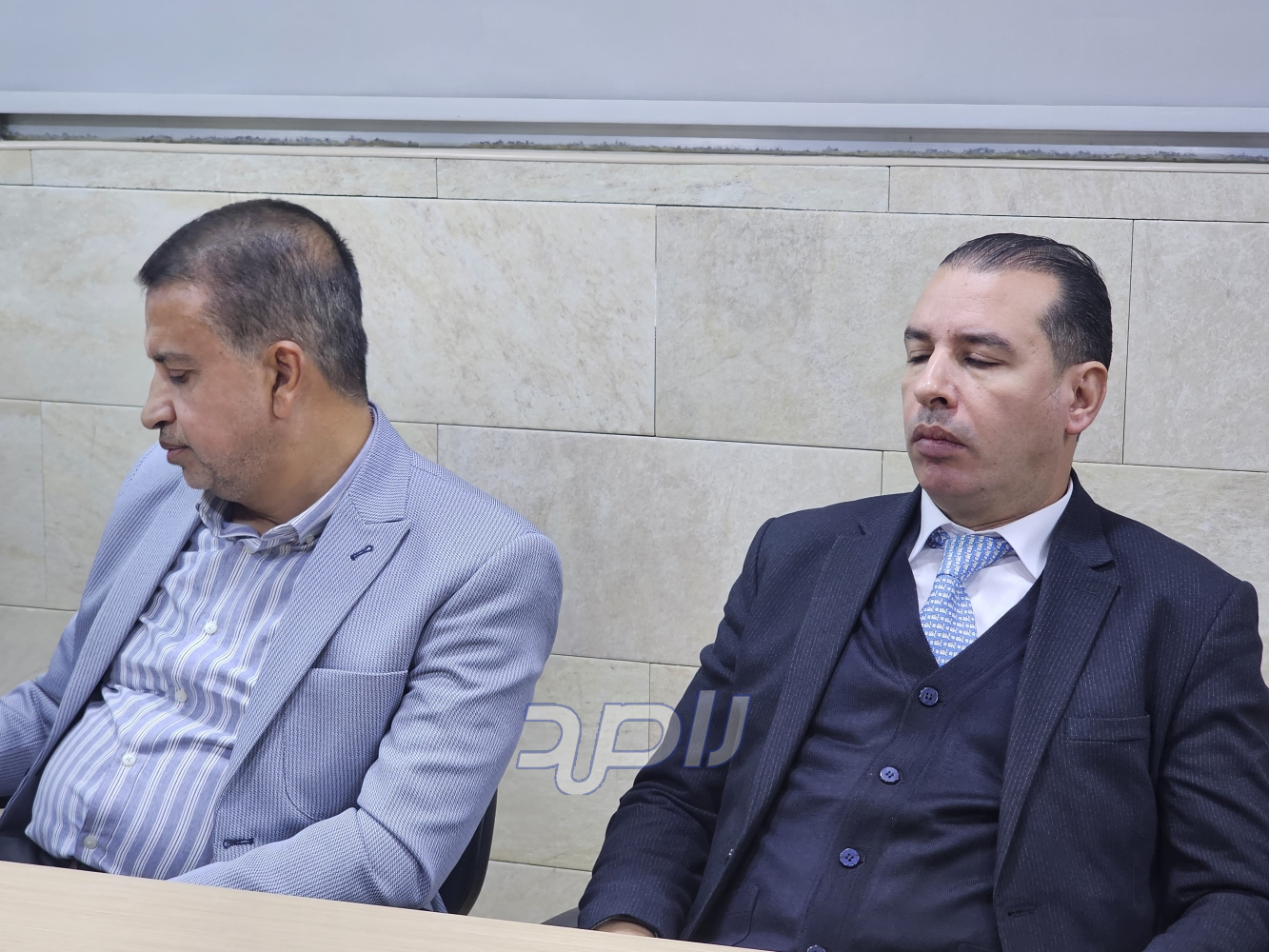
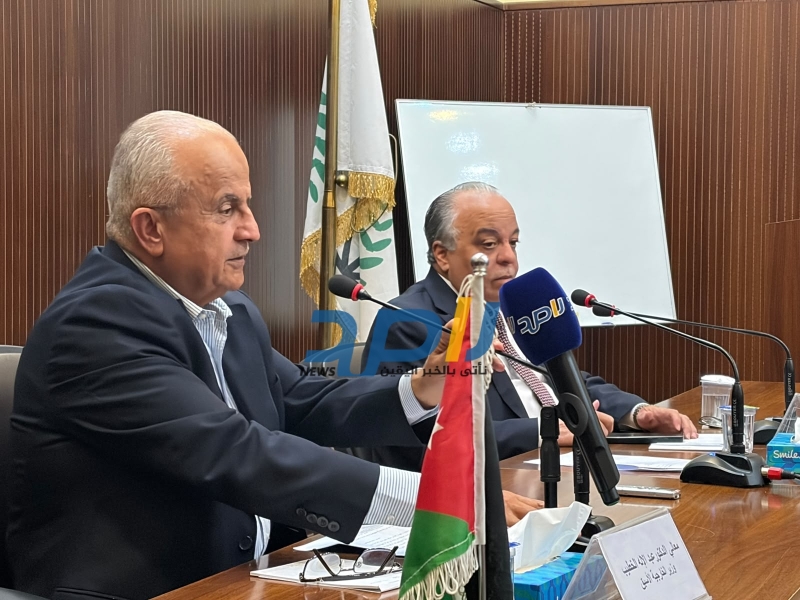
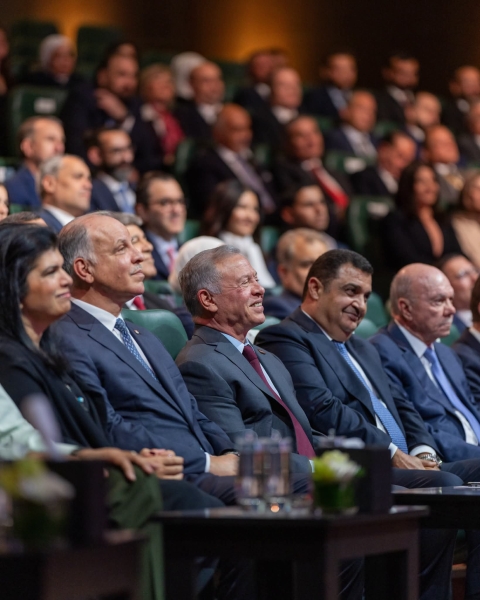
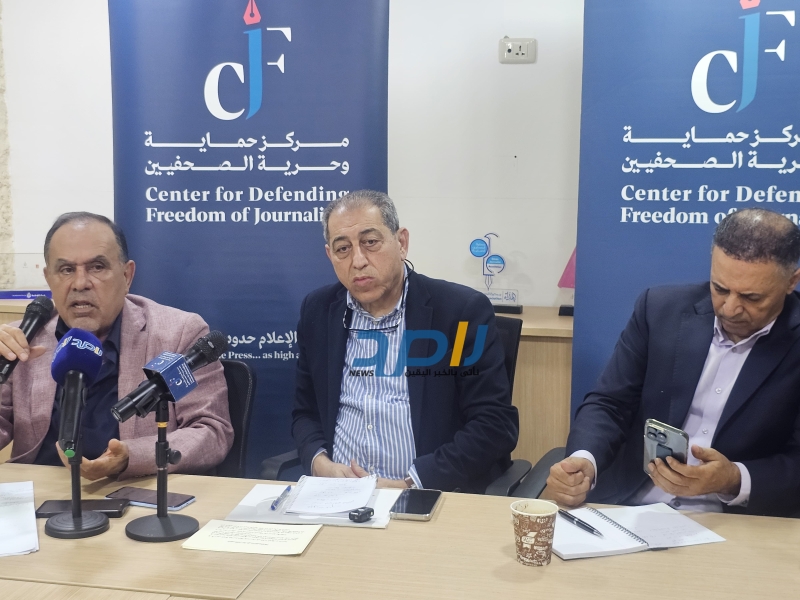
عقد المنتدى الإعلامي التابع لمركز حماية وحرية الصحفيين جلسة حوارية استضاف فيها الإعلامي عريب الرنتاوي والدكتور حسن البراري، وتناولت الجلسة موضوع "مستقبل إسرائيل في أمريكا"، وذلك أمس في مقر المركز.
والمنتدى الإعلامي منصة للحوار مع صانعي القرار أطلقها المركز منذ 22 عامًا، واستضاف خلال السنوات الماضية مئات الشخصيات المهمة من الأردن وخارجه، ويسعى إلى ضمان وصول المعلومات إلى وسائل الإعلام والمجتمع.
ورحب مدير مركز حماية وحرية الصحفيين الأستاذ نضال منصور بالحاضرين والضيوف المتحدثين، وتحدث عن الصيغة الكبيرة التي تحملها الأيام القادمة، في محور تحليل الوقائع التي حصلت في موضوع العلاقة: هل تغيرت العلاقة بين أمريكا وإسرائيل في ظل المتغيرات، سواء على الساحة الأمريكية أو على الساحة الإسرائيلية؟ وأدار المنصور الحوار والأسئلة من قبل المستمعين.
وتناول الرنتاوي التطورات الكبيرة في انتخابات الكونغرس الأمريكي، وقال إنها أسفرت عن متغيرات جديدة، لكنه أكد أن الوضع في إسرائيل أو النظرة إليها، وكذلك العلاقة بين إسرائيل وأمريكا، قد اعتراها ما اعتراها في ظل ذلك، من دون أن يؤثر ذلك سلبًا على الدعم الأمريكي لإسرائيل بعد التطورات اللاحقة. وأشار إلى أن موضوع دعم الأسلحة لن يُتطرق إليه في ظل الظروف أو المعطيات أو المنظور القريب.
وتناول الرنتاوي الإطار الاستراتيجي للمساعدات، ورأى أنه سيُستبدل بالتصنيع العسكري أو الدعم العسكري في المعطيات الحالية، في سياق الحديث عن التعاون والدعم اللامحدود لإسرائيل. من جهته، تحدث الدكتور حسن البراري عن التوافق الحزبي في أمريكا، وعن تطورات مكانة إسرائيل داخل المحيط الأمريكي، والتغييرات داخل الكيان الصهيوني في المعطيات والأحزاب التي فازت، ولا سيما حزب الليكود.
وأشار البراري إلى وجود إعادة تشكيل للمنطقة، خصوصًا في ما يتعلق بالمواجهة بين إيران وأمريكا، وإلى وجود مطالبات بطرد القواعد الأمريكية أو اقتلاعها من المنطقة، في سياق الحديث عن "الشرق الأوسط الجديد". ورأى أن المشروع العربي غائب عن كل ذلك، وأن النظام العربي نظام هش، ولن يكون في المعطى بالصورة المأمولة.
وفي ما يخص المجتمعات العربية، أشار الرنتاوي إلى أنها لم تعد بصفاتها المجتمعات الحية، ولم تعد تتحرك بالصورة المأمولة، لكنه رأى أن هناك جيلًا واعيًا، ومن بينهم بعض الأبناء العرب الذين وصلوا إلى أمريكا وتجنسوا، ويمكن أن يعودوا نفعًا قويًا للعرب. وأكد أن التغييرات على الساحة الأمريكية سيكون لها أثر في موضوع حقوق الإنسان والنظرة إلى المحافظة على الحقوق في مختلف مناطق العالم. وأشار إلى وجود تحولات في الرأي العام العالمي واختلاف كبير، لكنه لا يرى انهيارًا في العلاقة الإسرائيلية الأمريكية.
وأشار البراري إلى أن المجتمع الأمريكي مجتمع مدني ورسمي، وإلى تفاعلاته في ظل الملاحقات والاتهامات والتسويات. وأشار الرنتاوي إلى أن إسرائيل تراقب المشهد الآن وتحاول تلميع صورتها أمام العالم، كما أكد وجود ثلاثة تيارات في إسرائيل: تيار الصفقة، وتيار الخنق، وتيار الحرب. ورأى أن خيار التسوية مع إيران قد يشهد انفراجًا في الأيام أو المرحلة المقبلة، وكذلك في موضوع التسوية مع العراق.
ودارت أسئلة الحاضرين حول الانتخابات الأمريكية وما أفرزته، وحول التحولات على الساحة الإسرائيلية وموضوع الأحزاب الفائزة، والدولة العربية المأمولة في القريب العاجل أو المدى المنظور.
The Media Forum affiliated with the Center for Protection and Freedom of Journalists held a dialogue session hosting media figure Oreib Rantawi and Dr. Hassan Barari. The session discussed "the future of Israel in America” yesterday at the center’s headquarters.
The Media Forum is a platform for dialogue with decision-makers launched by the center 22 years ago. It has hosted hundreds of important figures from Jordan and abroad over the past years and seeks to ensure that information reaches the media and society.
Nidal Mansour, director of the Center for Protection and Freedom of Journalists, welcomed the attendees and guest speakers and spoke about the significant stakes the coming days carry, within the focus on analyzing the facts related to the relationship: Has the relationship between America and Israel changed in light of the variables, whether on the American scene or the Israeli scene? Mansour moderated the dialogue and questions from the audience.
Rantawi addressed major developments in the U.S. congressional elections and said they produced new variables. However, he stressed that the situation in Israel or the view of Israel, as well as the relationship between Israel and America, had been affected by what happened, without this negatively affecting U.S. support for Israel after subsequent developments. He noted that the issue of arms support would not be addressed under the current circumstances, data, or near-term outlook.
Rantawi discussed the strategic framework of aid and argued that it would be replaced by military manufacturing or military support under current conditions, within talk of cooperation and unlimited support for Israel. For his part, Dr. Hassan Barari spoke about partisan consensus in America, developments in Israel’s standing within the American environment, and changes inside the Zionist entity in terms of data and the winning parties, especially Likud.
Barari pointed to a reshaping of the region, particularly regarding the Iran-U.S. confrontation, and to calls to expel or uproot U.S. bases from the region, within talk of a "New Middle East.” He saw the Arab project as absent from all this and described the Arab system as fragile, saying it would not be as hoped under the current circumstances.
Regarding Arab societies, Rantawi noted that they were no longer vibrant or moving as hoped, but he saw that there is a conscious generation, including some Arab descendants who reached America and became naturalized citizens and could strongly benefit Arabs. He stressed that changes on the American scene would affect human rights and the global commitment to protecting rights in various regions of the world. He also noted shifts in world public opinion and a major difference, but said he did not see a collapse in Israeli-American relations.
Barari referred to American society as both civil and official and to its interactions amid prosecutions, accusations, and settlements. Rantawi said Israel is monitoring the scene now and trying to polish its image before the world, stressing that there are three currents in Israel: the deal current, the strangulation current, and the war current. He believed that the settlement option with Iran could see a breakthrough in the coming days or phase, as well as in the issue of settlement with Iraq.
The attendees’ questions focused on the U.S. elections and their fallout, transformations in the Israeli arena, the winning parties, and the hoped-for Arab state in the near or visible term.