تمهيداً لإرساله إلى مجلس النواب
الحكومة تُقرّ مشروع قانون الموازنة العامة لسنة 2027
راصد الإخباري -
أقرّ مجلس الوزراء في جلسته التي عقدها برئاسة رئيس الوزراء الدكتور جعفر حسان مشروع قانون الموازنة العامة لسنة 2027، تمهيداً لإرساله إلى مجلس النواب لإقراره حسب الأصول الدستورية قبل نهاية العام الجاري، في خطوة تهدف إلى الالتزام بالمواعيد الدستورية وتسريع البدء بتنفيذ المشاريع الرأسمالية المدرجة في الموازنة، بما يسهم في رفع كفاءة التنفيذ وتعجيل الأثر الاقتصادي للمشاريع ذات الأولوية.
وتضمّن مشروع القانون رصد المخصصات المالية اللازمة لتغطية الزيادة الشهرية البالغة 30 ديناراً للموظفين في القطاع العام بشقيه المدني والعسكري، والمتقاعدين المدنيين والعسكريين الذين تقل رواتبهم الشهرية عن 600 دينار، وبكلفة إجمالية تقدر بنحو 260 مليون دينار، بما يضمن شمول شريحة واسعة من العاملين والمتقاعدين ويسهم في تحسين مستوياتهم المعيشية.
كما تضمّن مشروع القانون زيادة المخصصات المالية للقوات المسلحة الأردنية – الجيش العربي والأجهزة الأمنية، باعتبارها خط الدفاع الأول عن الوطن، وتقديراً لدورها المحوري في حماية المملكة وصون أمنها واستقرارها وتمكينها من مواصلة أداء واجباتها ومهامها الوطنية بكفاءة واقتدار.
وفي مجال الحماية الاجتماعية، ستواصل الحكومة دعم منظومة الحماية الاجتماعية وتوفير المخصصات اللازمة للبرامج والمبادرات الموجهة للفئات الأكثر حاجة، بما في ذلك تغطية كلف علاج مرضى السرطان، ودعم السلع الأساسية، والمحافظة على أسعار الخبز المدعوم دون تغيير، وتعزيز المخزون الاستراتيجي من القمح والشعير، ومواصلة دعم أسطوانة الغاز المنزلي، بما يسهم في حماية القدرة الشرائية للمواطنين والحد من آثار ارتفاع تكاليف المعيشة.
وسجّل مشروع القانون ارتفاعاً في النفقات الرأسمالية بنسبة تقارب 18 بالمئة مقارنة بمستواها المعاد تقديره لعام 2026، وبمستوى أعلى من نمو النفقات الجارية، لتصل إلى نحو 1.7 مليار دينار، في إطار توجه الحكومة نحو تعزيز الإنفاق الرأسمالي الموجه للمشاريع التنموية ذات الأولوية وتعويض التراجع في الإنفاق الرأسمالي خلال عام 2026 نتيجة الاضطرابات التي تشهدها المنطقة، بما يسهم في تحسين الخدمات والبنية التحتية وتحفيز النشاط الاقتصادي وتوفير فرص العمل.
كما تضمّن مشروع القانون ارتفاع النفقات الجارية في عام 2027 بنحو 6.4 بالمئة مقارنة مع مستواها المعاد تقديره لعام 2026، وبمستوى أقل من نمو الإيرادات المحلية، لتصل إلى نحو 12 مليار دينار، لتغطية الالتزامات المالية الأساسية والمتطلبات التشغيلية للوزارات والدوائر الحكومية، ومواصلة دعم القطاعات ذات الأولوية، بما في ذلك تعزيز الحماية الاجتماعية والأمن الوطني.
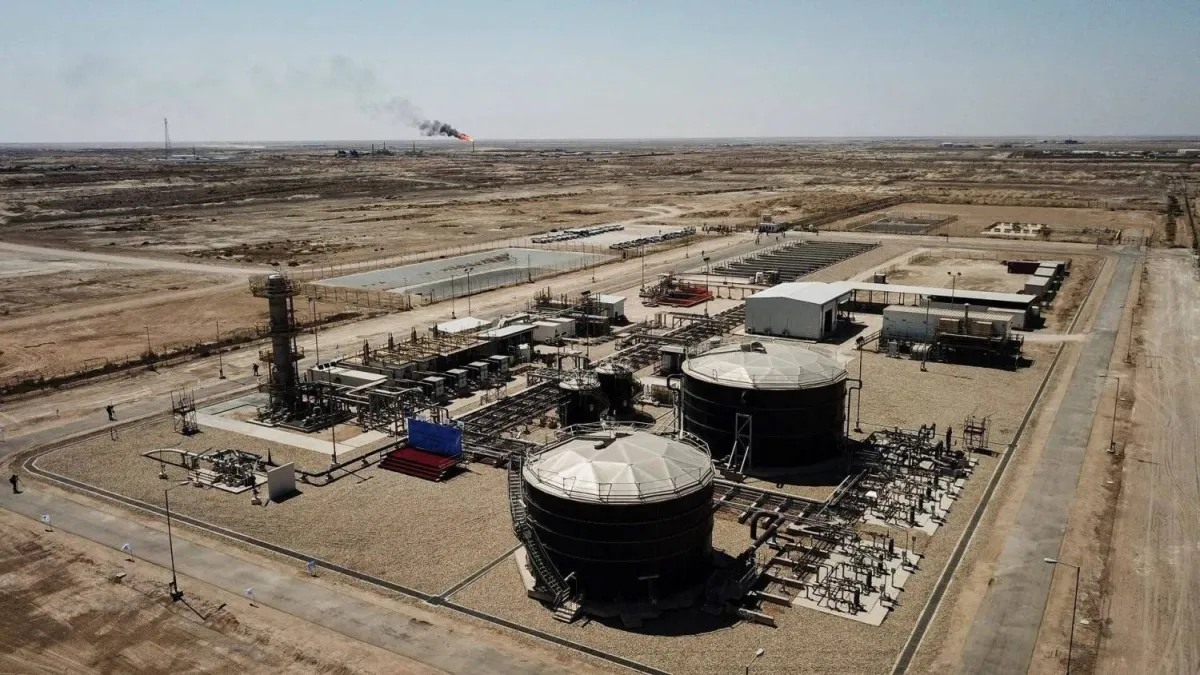
وأشار مشروع القانون إلى الاستمرار في تنفيذ المشاريع التنموية الكبرى ذات الأثر الاقتصادي والاستراتيجي، وفي مقدمتها مشروع الناقل الوطني للمياه، ومشروع تطوير حقل غاز الريشة، لما لهذه المشاريع من أهمية في تعزيز الأمن المائي وأمن التزود بالطاقة وتقليل الاعتماد على المصادر الخارجية، إلى جانب زيادة المخصصات الموجهة لتنفيذ المشاريع الرأسمالية في قطاعات التعليم والصحة والأشغال العامة والمياه، ودعم مشاريع تنمية وتطوير البلديات، وتحسين البنية التحتية والخدمات الأساسية في مختلف مناطق المملكة.
وأوضح مشروع القانون أنه سيتم توجيه الإنفاق الرأسمالي وفقاً للاحتياجات الفعلية والأولويات التنموية للمحافظات، بما في ذلك الأولويات التي تم الوقوف عليها خلال الزيارات الملكية السامية وجلسات مجلس الوزراء في مختلف المحافظات، إضافة إلى مواصلة تنفيذ المشاريع والمبادرات المدرجة ضمن البرنامج التنفيذي الثاني لرؤية التحديث الاقتصادي.
وعلى صعيد المالية العامة، تضمّن مشروع القانون ارتفاع الإيرادات المحلية في عام 2027 بنسبة تقارب 11 بالمئة مقارنة مع مستواها المعاد تقديره لعام 2026، لتصل إلى نحو 10.9 مليار دينار، بما يعكس استمرار تحسن النشاط الاقتصادي وتعزيز كفاءة الإدارة والتحصيل المالي، مع التركيز على تعزيز الامتثال الضريبي والجمركي، ومكافحة التهرب والتجنب الضريبي والجمركي، والتوسع في تطبيق نظام الفوترة الوطني الإلكتروني، وتوظيف تقنيات الذكاء الاصطناعي في عمليات التدقيق والتحليل الضريبي.
ويهدف مشروع القانون إلى مواصلة خفض عجز الموازنة العامة بعد المنح ليصل إلى نحو 2 مليار دينار في عام 2027، مقارنة بنحو 2.1 مليار دينار في عام 2026، وخفض عجز الموازنة الأولي ليصل إلى نحو 450 مليون دينار مقارنة مع 650 مليون دينار في عام 2026، بما يعكس التزام الحكومة بمواصلة مسار الإصلاح المالي وتحسين كفاءة إدارة الموارد العامة والمواءمة بين متطلبات الإنفاق التنموي والاحتياجات الاجتماعية والحفاظ على الاستقرار المالي واستدامة الدين العام. كما يستهدف مشروع القانون تعزيز استقرار بيئة الاقتصاد الكلي وترسيخ متانة الاقتصاد الوطني، بما يسهم في تحقيق نمو في الناتج المحلي الإجمالي الاسمي بنحو 5.6 بالمئة في عام 2027، والمحافظة على استقرار المستوى العام للأسعار، ومواصلة تخفيض عجز الحساب الجاري لميزان المدفوعات، وتعزيز الشراكة بين القطاعين العام والخاص.
---
Cabinet Approves 2027 General Budget Bill, Preparing to Refer It to Parliament
The Cabinet, in its session chaired by Prime Minister Dr. Jaafar Hassan, approved the 2027 General Budget Bill, preparing to refer it to the House of Representatives for approval in accordance with constitutional procedures before the end of the current year. The step aims to comply with constitutional deadlines and accelerate the start of implementing capital projects included in the budget, thereby improving implementation efficiency and speeding up the economic impact of priority projects.
The bill included allocating the necessary financial resources to cover the monthly increase of 30 dinars for public sector employees in both the civil and military sectors, and for civil and military retirees whose monthly salaries are less than 600 dinars, at a total cost estimated at about 260 million dinars, ensuring the inclusion of a wide segment of workers and retirees and helping improve their living standards.
The bill also included increasing financial allocations for the Jordan Armed Forces–Arab Army and the security agencies, as they are the first line of defense for the homeland, in appreciation of their pivotal role in protecting the Kingdom, safeguarding its security and stability, and enabling them to continue performing their national duties and tasks efficiently and competently.
In the field of social protection, the government will continue supporting the social protection system and providing the necessary allocations for programs and initiatives directed at the most needy groups, including covering the cost of treatment for cancer patients, supporting basic commodities, maintaining the prices of subsidized bread without change, strengthening the strategic stock of wheat and barley, and continuing support for the household gas cylinder, thereby protecting citizens’ purchasing power and limiting the effects of rising living costs.
The bill recorded an increase in capital expenditures of about 18 percent compared with their re-estimated level for 2026, and at a higher level than the growth of current expenditures, reaching about 1.7 billion dinars. This comes within the government’s direction to enhance capital spending directed at priority development projects and to compensate for the decline in capital spending during 2026 due to the regional turmoil, contributing to improved services and infrastructure, stimulating economic activity, and creating jobs.
The bill also included an increase in current expenditures in 2027 of about 6.4 percent compared with their re-estimated level for 2026, and at a lower level than the growth of local revenues, reaching about 12 billion dinars, to cover basic financial obligations and operational requirements of ministries and government departments, and to continue supporting priority sectors, including enhancing social protection and national security.
The bill indicated continued implementation of major development projects with economic and strategic impact, foremost among them the National Water Carrier project and the Risha gas field development project, given their importance in enhancing water security and energy supply security and reducing dependence on external sources. It also included increased allocations for implementing capital projects in the education, health, public works, and water sectors, supporting municipal development projects, and improving infrastructure and basic services across the Kingdom.
The bill explained that capital spending will be directed according to the actual needs and development priorities of the governorates, including priorities identified during Royal visits and Cabinet sessions in various governorates, in addition to continuing to implement projects and initiatives included in the second executive program of the Economic Modernization Vision.
On public finance, the bill included an increase in local revenues in 2027 of about 11 percent compared with their re-estimated level for 2026, reaching about 10.9 billion dinars, reflecting continued improvement in economic activity and enhanced efficiency of financial management and collection. It focuses on strengthening tax and customs compliance, combating tax and customs evasion and avoidance, expanding the application of the national electronic invoicing system, and employing artificial intelligence technologies in tax audit and analysis.
The bill aims to continue reducing the overall budget deficit after grants to about 2 billion dinars in 2027, compared with about 2.1 billion dinars in 2026, and to reduce the primary budget deficit to about 450 million dinars compared with 650 million dinars in 2026. This reflects the government’s commitment to continuing the financial reform path, improving the efficiency of public resource management, and balancing development spending requirements and social needs with maintaining financial stability and public debt sustainability. The bill also aims to enhance macroeconomic stability and consolidate the strength of the national economy, contributing to nominal GDP growth of about 5.6 percent in 2027, maintaining general price stability, continuing to reduce the current account deficit in the balance of payments, and enhancing public-private partnership.