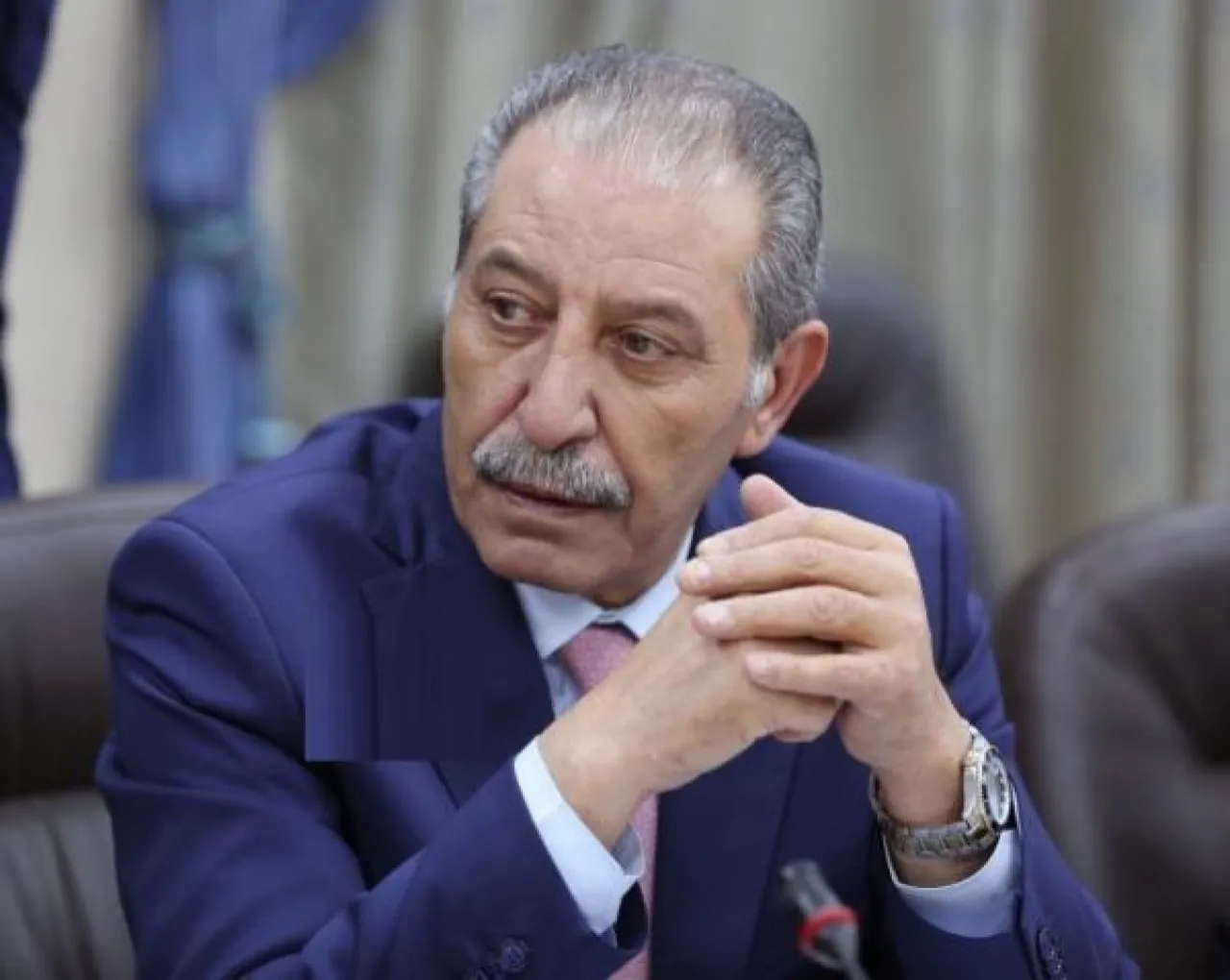
دولة حسان يتحدث للنواب عن موازنة 2027
راصد الإخباري -
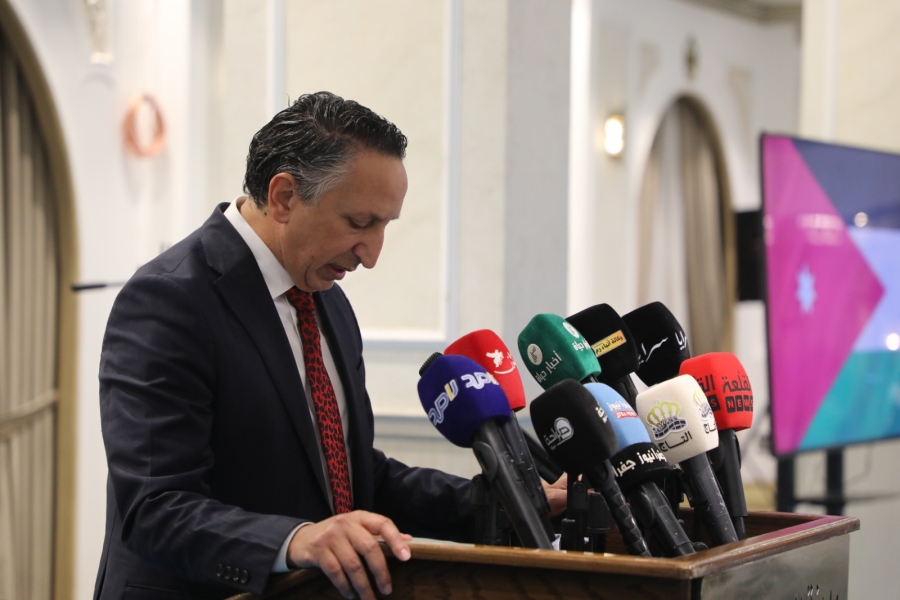
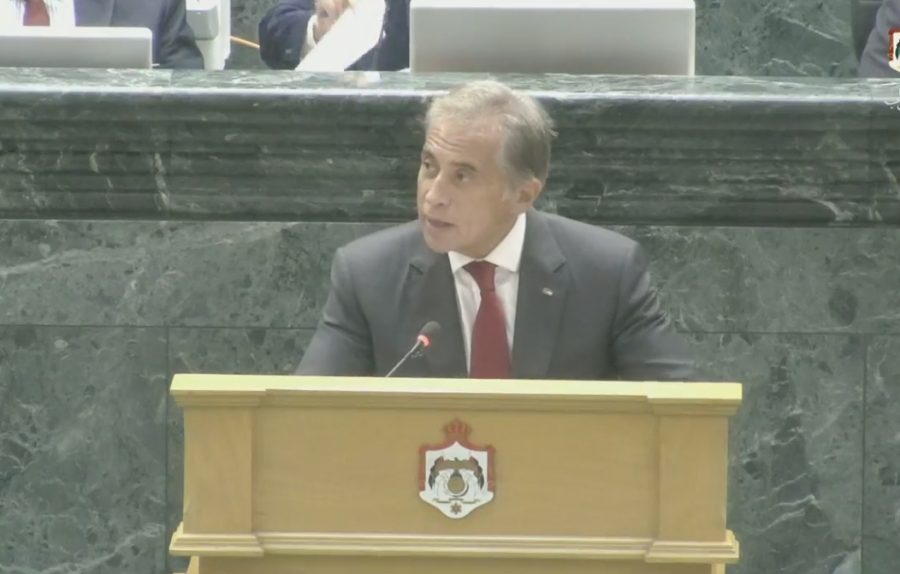
أكد دولة الدكتور جعفر حسان، رئيس الوزراء، أن مشروع قانون الموازنة العامة للسنة المالية 2027 جاء ليشكل ترجمة لمضامين خطاب التكليف السامي للحكومة، وليعزز المسار التنموي بكل ما تملكه من طاقات وإمكانات، باعتبار الموازنة العامة الإطار الذي تندرج في سياقه السياسات الحكومية والاستراتيجيات القطاعية. وأشار حسان خلال إلقائه خطاب الموازنة أمام مجلس النواب إلى أن الحكومة حرصت على إعداد المشروع مبكراً لإتاحة الوقت الكافي للمجلس لمناقشته وإقراره قبل نهاية العام، لتمكين الحكومة من تنفيذ برامجها وخططها مع بداية العام القادم، لافتاً إلى أن النقاش المثمر الذي جرى في المجلس لمشروع موازنة 2026 وتقرير اللجنة المالية والاقتصادية أغنى توجهات الحكومة في إعداد مشروع موازنة 2027.
واستجابةً لتوصيات مجلس النواب، وترجمةً لجهود الحكومة في تخفيف الأعباء المعيشية وتعزيز القدرة الشرائية للمواطنين كأولوية تتقدم على جميع الأولويات، كشف رئيس الوزراء عن زيادة رواتب العاملين والمتقاعدين في الجهازين العسكري والمدني الذين تقل رواتبهم عن 600 دينار شهرياً بمقدار 30 ديناراً شهرياً، وزيادة مخصصات الجهازين العسكري والأمني، بما ينسجم مع أهداف الحكومة بالحفاظ على الاستقرار المالي، مؤكداً أن المشروع أولى أهمية خاصة للمحافظة على منظومة الحماية الاجتماعية واستمرار مختلف أنواع الدعم، إيماناً بأن الحماية الاجتماعية ركيزة أساسية للنمو الاقتصادي.
وتناول الخطاب المشهد الاقتصادي العالمي الذي شهد أوضاعاً مضطربة واستمرار الإجراءات الحمائية وتطورات متسارعة عمقت حالة عدم اليقين، مشيراً إلى أن استمرار التصعيد في المنطقة أدى إلى تكاليف اقتصادية باهظة وفرض مزيداً من الضغوط على سلاسل الإمداد العالمية ورفع أسعار النفط إلى مستويات غير معهودة، مع توقع صندوق النقد الدولي تباطؤ النمو العالمي عند 3% في 2026 مقابل 3.5% في 2025، وارتفاع التضخم العالمي من 4.1% إلى 4.7%. وأوضح حسان أن الأردن لم يكن بمعزل عن هذه التطورات، حيث بذلت الحكومة ما تملك من إمكانات للتعامل معها والحد من انعكاساتها السلبية، مؤكداً أن الإصلاحات الاقتصادية والمالية الهيكلية كانت فاعلة في الحفاظ على تماسك الاقتصاد الوطني وتعزيز مرونته.
وأظهرت المؤشرات الأولية، وفق الخطاب، أن الاقتصاد الأردني نما بنسبة 3% خلال الربع الثاني من 2026 مقارنة مع 2.8% في الفترة نفسها من 2025، متجاوزاً تقديرات المؤسسات الدولية، مع إسهام قطاعي الصناعات التحويلية والزراعة بنحو 46% من هذا النمو. وتعافى القطاع السياحي مدعوماً بإجراءات حكومية، حيث ارتفع الدخل السياحي خلال العشرة شهور الأولى من 2026 بنسبة 6% ليصل إلى نحو 7,100 مليون دولار، وارتفعت حوالات الأردنيين العاملين في الخارج خلال الثلاثة أرباع الأولى بنسبة 13.7% لتصل إلى نحو 3,800 مليون دولار، فيما ارتفعت الصادرات الوطنية خلال الثمانية شهور الأولى بنسبة 6% لتبلغ نحو 6,460 مليون دينار، وتراجع عجز الميزان التجاري بنحو 9.6%، وانخفض عجز الحساب الجاري إلى 4.6% من الناتج المحلي الإجمالي في النصف الأول من 2026 مقارنة بنحو 7.4% للفترة نفسها من العام الماضي.
وأشار رئيس الوزراء إلى أن الاحتياطيات من العملات الأجنبية بلغت مستوى تاريخياً ناهز 28 مليار دولار في نهاية تشرين الأول، وهي كافية لتغطية نحو 9 شهور من مستوردات المملكة، مما عزز استقرار سعر صرف الدينار، فيما يتوقع أن يبلغ التضخم 2.4% لعام 2026 ليحافظ الأردن على موقعه بين أقل دول العالم تأثراً بالضغوط التضخمية. وأكد أن مؤسسات التصنيف الائتماني أجمعت على تثبيت تصنيفها الائتماني السيادي للأردن مع نظرة مستقبلية مستقرة، فيما ثبّت صندوق النقد الدولي توقعاته لنمو الاقتصاد الأردني مشيداً بأدائه وقدرته على الصمود، ومؤكداً عقب إتمام المراجعة السادسة إنجاز الحكومة لمتطلبات البرنامج الوطني للإصلاح المالي والاقتصادي.
وعلى صعيد المالية العامة، أوضح حسان أن أداءها تأثر هذا العام بالظروف الإقليمية وما نجم عنها من ارتفاعات كبيرة في أسعار النفط، حيث تحملت الموازنة كلفاً إضافية بلغت نحو 250 مليون دينار منذ بداية العام حتى نهاية تشرين الأول جراء عدم عكس كامل الارتفاعات على الأسعار المحلية. وأشارت بيانات إعادة التقدير إلى تراجع الإيرادات المحلية لعام 2026 عن المستوى المقدر بنحو 350 مليون دينار رغم ارتفاعها بنحو 5.7% عن 2025، لتسجل الإيرادات المحلية نحو 9,846 مليون دينار والمنح الخارجية نحو 851 مليون دينار بإجمالي إيرادات عامة نحو 10,697 مليون دينار، فيما سجلت النفقات العامة المعاد تقديرها نحو 12,756 مليون دينار منها 11,306 مليون دينار نفقات جارية و1,450 مليون دينار نفقات رأسمالية.
وأكد أن العجز سيتراجع ليصل إلى 2,060 مليون دينار أو ما نسبته 4.5% من الناتج المحلي الإجمالي لعام 2026 بانخفاض مقداره 65 مليون دينار بالمقارنة مع قانون الموازنة، بفضل إجراءات على جانبي النفقات والإيرادات أسفرت عن ضبط النفقات بنحو 94 مليون دينار، مع الحرص على عدم إجراء أي تخفيض يمس بنوعية الخدمات أو يؤثر سلباً على المستويات المعيشية أو بنود الحماية الاجتماعية. ولفت إلى أن الحكومة استكملت تسديد سندات اليورو بوند المستحقة في كانون الثاني 2026، وقامت في تشرين الأول بالتسديد المبكر لمبلغ 400 مليون دولار من سندات تستحق بداية 2027 بقيمة مليار دولار، عبر قروض ميسرة بفائدة تتراوح بين 3.5% و5% مقارنة مع 8.5% في الأسواق العالمية، ليتوقع أن يسجل الدين العام 83% من الناتج في 2026 وينخفض إلى نحو 82% في 2027.
وبناءً على الأداء الإيجابي للاقتصاد، بنيت تقديرات مشروع قانون موازنة 2027 على توقع نمو الناتج المحلي الإجمالي الحقيقي بنسبة 3.1%، وتراجع عجز الحساب الجاري إلى 5.7% من الناتج، واستمرار التضخم عند 2.4%. وكشف حسان عن أن المشروع رصد نحو 60 مليون دينار لمشروع الناقل الوطني للمياه، وزيادة المخصصات المالية للقوات المسلحة والأجهزة الأمنية بنحو 224 مليون دينار، وتخصيص كلفة إجمالية سنوية تناهز 260 مليون دينار للزيادة على رواتب العاملين والمتقاعدين في الجهازين العسكري والمدني والتي يبدأ صرفها مطلع 2027.
وفي مجال الحماية الاجتماعية، أشار إلى استمرار رصد نحو 775 مليون دينار تشمل 124 مليون دينار لتغطية كلفة علاج المواطنين ضمن برنامج "رعاية" في مركز الحسين للسرطان، و280 مليون دينار للأسر المشمولة بدعم صندوق المعونة الوطنية، و251 مليون دينار لتثبيت دعم الخبز والسلع الاستراتيجية وأسطوانة الغاز، إضافة إلى 80 مليون دينار لدعم الجامعات وزيادة مخصصات صندوق دعم الطالب الجامعي إلى 40 مليون دينار. وفي قطاع التعليم، بلغت مخصصات وزارة التربية والتعليم وتنمية الموارد البشرية نحو 1,542 مليون دينار منها 150 مليون دينار لمشاريع رأسمالية، مع الإشارة إلى إنشاء وتشغيل 86 مدرسة جديدة هذا العام منها 16 مدرسة نموذجية بالشراكة مع القطاع الخاص من أصل 37 مستهدفة.
وفي قطاع الصحة، بلغت مخصصات وزارة الصحة نحو 896 مليون دينار منها 185 مليون دينار لشراء الأدوية والمستلزمات الطبية بزيادة 35 مليون دينار عن 2026، ونحو 81 مليون دينار للمشاريع الرأسمالية. وعلى صعيد المحافظات، رصدت الحكومة 100 مليون دينار لموازنات المحافظات اللامركزية وزيادة مخصصات دعم البلديات لتصل إلى 225 مليون دينار. وأشار حسان إلى أن مخصصات النفقات الجارية قدرت بنحو 12,025 مليون دينار بارتفاع 719 مليون دينار أو 6.4% عن 2026، فيما قدرت النفقات الرأسمالية بنحو 1,710 مليون دينار بزيادة 261 مليون دينار أو 18%، لتصل النفقات العامة إلى نحو 13,735 مليون دينار بارتفاع 980 مليون دينار أو 7.7%.
وقدرت الإيرادات المحلية لعام 2027 بحوالي 10,925 مليون دينار بنمو 1,079 مليون دينار أو 11% عن مستواها المعاد تقديره لعام 2026، والمنح الخارجية بنحو 784 مليون دينار، ليبلغ إجمالي الإيرادات العامة نحو 11,709 مليون دينار بارتفاع 1,013 مليون دينار أو 9.5%. وترتيباً على ذلك، قدر عجز الموازنة بعد المنح بنحو 2,026 مليون دينار أو 4.2% من الناتج المحلي الإجمالي مقابل 4.5% معاد تقديره لعام 2026، ليواصل تراجعه إلى 3.3% في 2029، فيما سيتراجع العجز الأولي إلى 0.9% من الناتج في 2027 مقابل 1.4% في 2026. وكشف عن أن الحكومة سددت ما يقارب 280 مليون دينار من المتأخرات في 2024 ونحو 560 مليون دينار في 2025 و480 مليون دينار في 2026 بإجمالي نحو 1,300 مليون دينار.
وفيما يتعلق بموازنات الوحدات الحكومية، قدرت النفقات الجارية بنحو 1,170 مليون دينار والرأسمالية بنحو 709 مليون دينار بإجمالي 1,879 مليون دينار، والإيرادات بنحو 1,012 مليون دينار، ليبلغ صافي العجز 867 مليون دينار، وإذا ما تم استبعاد عجز سلطة المياه وشركة الكهرباء الوطنية المقدر بنحو 907 مليون دينار يتحول صافي العجز إلى وفر مقداره 40 مليون دينار. واختتم حسان بالتأكيد على أن الحكومة على ثقة كبيرة بأن الحوار البناء والمناقشات المثمرة مع المجلس سيمكنها من تحقيق تطلعات المواطنين في حياة كريمة في ظل القيادة الهاشمية.
---
During his delivery of the 2027 General Budget Law speech before the House of Representatives, Prime Minister Dr. Jaafar Hassan affirmed that the draft law translates the contents of the Royal Letter of Designation to this government and reinforces the development path with all available energies and capabilities, as the general budget is the framework within which government policies and sectoral strategies fall. Hassan noted that the government was keen to prepare the draft early to allow the House sufficient time to discuss and approve it before the end of the year, enabling the government to implement its programs and plans from the beginning of next year, adding that the fruitful discussion in the House on the 2026 budget draft and the report of the Financial and Economic Committee enriched the government's directions in preparing the 2027 draft.
In response to the House's recommendations and as a translation of the government's efforts to alleviate living burdens and enhance citizens' purchasing power as a priority above all others, the Prime Minister announced an increase of 30 dinars per month in the salaries of military and civilian employees and retirees whose salaries are below 600 dinars per month, along with an increase in the allocations of the military and security apparatus, consistent with the government's objectives of maintaining financial stability. He stressed that the draft gave special importance to preserving the social protection system and continuing various types of support, believing that social protection is a fundamental pillar of economic growth.
The speech addressed the global economic landscape, which witnessed turbulent conditions, continued protectionist measures, and rapid developments that deepened uncertainty, noting that continued escalation in the region led to heavy economic costs, imposed further pressures on global supply chains, and raised oil prices to unprecedented levels, with the IMF expecting global growth to slow to 3% in 2026 from 3.5% in 2025 and global inflation to rise from 4.1% to 4.7%. Hassan explained that Jordan was not isolated from these developments, as the government exerted all its capabilities to address them and limit their negative repercussions, affirming that economic and financial structural reforms were effective in maintaining the cohesion of the national economy and enhancing its resilience.
Preliminary indicators showed that the Jordanian economy grew by 3% in the second quarter of 2026 compared with 2.8% in the same period of 2025, surpassing international institutions' estimates, with manufacturing and agriculture contributing about 46% of this growth. The tourism sector recovered, supported by government measures, with tourism income rising by 6% in the first ten months of 2026 to about $7,100 million, remittances from Jordanians working abroad rising by 13.7% in the first three quarters to about $3,800 million, national exports rising by 6% in the first eight months to about 6,460 million dinars, the trade deficit narrowing by 9.6%, and the current account deficit declining to 4.6% of GDP in the first half of 2026 compared with 7.4% in the same period last year.
The Prime Minister noted that foreign currency reserves reached a historic level of about $28 billion at the end of October, sufficient to cover about nine months of imports, which reinforced the stability of the Jordanian dinar's exchange rate, while inflation is expected to reach 2.4% in 2026, maintaining Jordan's position among the least affected countries by inflationary pressures. He affirmed that credit rating agencies unanimously affirmed Jordan's sovereign credit rating with a stable outlook, while the IMF maintained its growth forecasts for the Jordanian economy, praising its performance and resilience and confirming, following the completion of the sixth review, the government's fulfillment of the National Financial and Economic Reform Program requirements.
On public finance, Hassan explained that performance this year was affected by regional conditions and the resulting large increases in oil prices, with the budget bearing additional costs of about 250 million dinars from the beginning of the year until the end of October due to not fully reflecting the increases on domestic prices. Re-estimation data indicated a decline in domestic revenues for 2026 from the estimated level by about 350 million dinars despite rising by about 5.7% over 2025, with domestic revenues recording about 9,846 million dinars and foreign grants about 851 million dinars, bringing total public revenues to about 10,697 million dinars, while revised public expenditures recorded about 12,756 million dinars, including 11,306 million dinars in current expenditures and 1,450 million dinars in capital expenditures.
He affirmed that the deficit will decline to 2,060 million dinars, or 4.5% of GDP for 2026, a decrease of 65 million dinars compared with the budget law, thanks to measures on both expenditure and revenue sides that rationalized spending by about 94 million dinars, while ensuring no reduction affects the quality of services or negatively impacts living standards or social protection items. He noted that the government completed the repayment of Eurobonds due in January 2026 and in October prepaid $400 million of bonds due in early 2027 worth $1 billion, through concessional loans at interest rates ranging between 3.5% and 5% compared with 8.5% in global markets, with public debt expected to record 83% of GDP in 2026 and decline to about 82% in 2027.
Based on the positive economic performance, the 2027 budget draft estimates were built on an expected real GDP growth of 3.1%, a decline in the current account deficit to 5.7% of GDP, and continued inflation at 2.4%. Hassan revealed that the draft allocated about 60 million dinars for the National Water Carrier project, increased financial allocations for the armed forces and security agencies by about 224 million dinars, and allocated an total annual cost of about 260 million dinars for the salary increase for military and civilian employees and retirees, to be paid starting early 2027.
In the field of social protection, he noted the continued allocation of about 775 million dinars, including 124 million dinars to cover the cost of treating citizens under the "Raya" program at the King Hussein Cancer Center, 280 million dinars for families covered by the National Aid Fund, and 251 million dinars to stabilize bread, strategic commodities, and gas cylinder subsidies, in addition to 80 million dinars for university support and an increase in the Student Support Fund allocations to 40 million dinars. In the education sector, the allocations of the Ministry of Education and Human Resources Development reached about 1,542 million dinars, including 150 million dinars for capital projects, with 86 new schools opened this year, including 16 model schools built in partnership with the private sector out of 37 targeted.
In the health sector, the Ministry of Health's allocations reached about 896 million dinars, including 185 million dinars for purchasing medicines and medical supplies, an increase of 35 million dinars over 2026, and about 81 million dinars for capital projects. On the governorates level, the government allocated 100 million dinars for decentralized governorate budgets and increased municipal support allocations to 225 million dinars. Hassan noted that current expenditure allocations were estimated at about 12,025 million dinars, an increase of 719 million dinars or 6.4% over 2026, while capital expenditures were estimated at about 1,710 million dinars, an increase of 261 million dinars or 18%, bringing total public expenditures to about 13,735 million dinars, an increase of 980 million dinars or 7.7%.
Domestic revenues for 2027 were estimated at about 10,925 million dinars, growing by 1,079 million dinars or 11% over their revised level in 2026, and foreign grants at about 784 million dinars, bringing total public revenues to about 11,709 million dinars, an increase of 1,013 million dinars or 9.5%. Accordingly, the budget deficit after grants was estimated at about 2,026 million dinars, or 4.2% of GDP, compared with 4.5% revised for 2026, continuing its decline to 3.3% in 2029, while the primary deficit will decline to 0.9% of GDP in 2027 compared with 1.4% in 2026. He revealed that the government paid about 280 million dinars in arrears in 2024, about 560 million dinars in 2025, and 480 million dinars in 2026, totaling about 1,300 million dinars.
Regarding government units' budgets, current expenditures were estimated at about 1,170 million dinars and capital expenditures at about 709 million dinars, totaling 1,879 million dinars, with revenues at about 1,012 million dinars, bringing the net deficit to 867 million dinars. If the deficits of the Water Authority and the National Electric Power Company, estimated at about 907 million dinars, are excluded, the net deficit turns into a surplus of 40 million dinars. Hassan concluded by affirming that the government is highly confident that constructive dialogue and fruitful discussions with the House will enable it to meet citizens' aspirations for a decent life under the Hashemite leadership.